

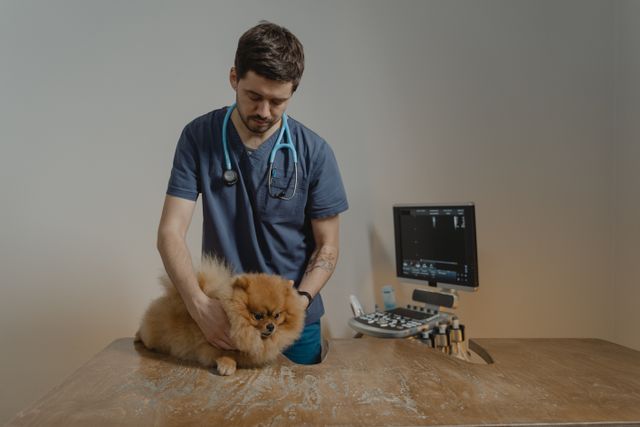
You might be looking at your dog or cat and wondering when that cute chubbiness turned into something you worry about. Maybe the vet at an animal hospital in Alexandria, VA has gently mentioned the word “overweight,” or you have noticed your pet getting tired on short walks, struggling to jump on the couch, or begging for food all day. You love them, so this nags at you. Are you doing something wrong, or is this just what happens as pets age?
If you feel a mix of guilt, confusion, and frustration, you are not alone. Weight issues in pets are extremely common, and they do not mean you are a bad owner. They simply mean you and your animal need a little more structure and support. That is where the quiet but powerful role of animal hospitals comes in. They do far more than treat injuries. They help guide you through safe, realistic weight control so your pet can stay active and comfortable for longer.
In simple terms, the role of animal hospitals in monitoring weight management is to be your long term partner. They help you understand what a healthy weight looks like, find the real reason your pet is gaining, build a plan that fits your daily life, and then keep you on track with gentle course corrections over time.
Why does pet weight feel so hard to manage on your own?
Maybe you have tried to cut back treats or switch food, but nothing seems to change. Or your pet cries when you reduce portions, and you give in because you do not want them to feel deprived. Because of that tension between what you know is healthy and what feels kind in the moment, you can end up stuck.
The hard truth is that extra weight affects almost every part of a pet’s life. It stresses joints and the spine. It increases the risk of diabetes, heart problems, breathing issues, and even some cancers. It can shorten lifespan. The emotional part is just as heavy. You might feel heartbroken watching your pet hesitate at stairs or quit playing fetch halfway through. You may also worry about the future costs of treating preventable diseases connected to obesity.
So where does that leave you? You have good intentions, a pet who may love food a little too much, and a lot of conflicting advice from the internet, friends, and food labels. That is exactly why animal hospitals are so important in pet weight management support.
How do animal hospitals actually help with pet weight control?
An animal hospital is more than a place for shots and emergencies. It is a hub for long term care, which includes steady, thoughtful weight monitoring. Here are some of the ways they help.
1. They define what “healthy weight” really means for your pet.
Most owners rely on the number on the scale. Vets go further. They use tools like the Body Condition Score, which looks at whether ribs can be felt, how the waist looks from above, and how the belly tucks from the side. This matters because two dogs with the same weight can have very different body fat levels. The FDA offers helpful questions to ask your vet about your pet’s weight, which you can review in their guide on keeping your dog or cat at a healthy weight.
2. They rule out hidden medical problems.
Sometimes weight gain is not just “too many treats.” Thyroid disease, Cushing’s disease, arthritis pain, and some medications can cause weight changes. An animal hospital can run tests to see whether there is an underlying issue. This protects you from blaming yourself when the real cause is medical and needs treatment.
3. They design a realistic feeding and exercise plan.
Once medical problems are addressed or ruled out, the hospital team can calculate how many calories your pet should eat each day. They also help choose a food that supports weight loss but still feels satisfying. Guidelines from groups like AAHA, shared through the FDA’s resource on helping pets live healthier, thinner lives, shape many of these nutrition decisions.
They then match exercise suggestions to your pet’s age, joints, and personality. That might mean short, frequent walks, gentle play sessions, or low impact activities like swimming for dogs. For cats, it might mean scheduled play times with toys that trigger their hunting instincts.
4. They monitor progress and adjust, instead of blaming.
Weight loss for pets is slow by design. Too fast can be dangerous, especially for cats. Animal hospitals track weight every few weeks, measure body condition changes, and ask practical questions about how the plan is working at home. If your schedule changes or your pet refuses a certain food, they adjust instead of judging. That steady feedback loop is what turns a short term effort into a long term success.
5. They support your emotions as much as your pet’s health.
Hearing that your pet needs to lose weight can sting. It can feel like criticism. A good veterinary team understands this and treats you as a partner. They acknowledge that feeding is often an expression of love and help you find other ways to show that love, like play, training, or cuddling, so you do not feel like you are always saying “no.”
Should you manage weight at home or lean on an animal hospital?
You might be wondering whether you really need professional help. After all, you know how to feed less and walk more. The question is not whether you can try at home. The question is what gives your pet the safest and most effective chance at a healthy weight.
| Approach | What it Looks Like | Benefits | Risks or Limits |
|---|---|---|---|
| DIY weight control at home | You reduce portions, change treats, and add exercise based on your own research or intuition. | Low cost. Flexible. Immediate changes without appointments. | Easy to underfeed or overfeed. Harder to spot medical causes. Weight loss may be too fast or too slow. No objective tracking. |
| Guided plan with an animal hospital | Regular weigh ins, body condition scoring, lab tests if needed, and a custom nutrition and exercise plan. | Safer, especially for pets with health issues. Uses science based calorie targets. Ongoing adjustments and support. | Requires appointments and some financial investment. You need to follow the plan between visits. |
| Structured weight management program | Some hospitals run formal weight clinics with scheduled check ins, tech support, and specialized diets. | High accountability. Clear goals and timelines. Extra guidance when progress stalls. | More time commitment. May involve premium diets that cost more than standard food. |
For many families, the best path is a mix. The hospital sets the roadmap, then you handle the day to day choices at home and return for regular checkups. That is how professional pet weight management turns into lasting habits, not a short diet that comes and goes.
Three practical steps you can take starting today
1. Get an honest baseline from your veterinarian
Schedule a wellness visit focused on weight. Ask for your pet’s current weight, Body Condition Score, and an ideal target weight range. Request a written feeding plan that includes food type, exact daily amount, and suggested treats. Bring photos of the food and treats you currently use so the veterinary team can give specific advice, not guesses.
2. Make small, trackable changes at home
Use a measuring cup or kitchen scale for every meal. “Scoops” vary a lot and often lead to overfeeding. Replace some calorie dense treats with non food rewards like extra play, brushing, or a new toy. If your pet is medically cleared, add short activity sessions rather than one long workout. For example, three 10 minute walks instead of a single 30 minute walk. Keep a simple log of weight, food, and activity so you can share it at your next animal hospital visit.
3. Commit to regular follow ups with your animal hospital
Ask how often they recommend weigh ins. Many pets do well with checkups every 4 to 6 weeks in the beginning. Treat these visits as check points, not tests. Use them to ask questions, share what is hard, and celebrate even small progress. If the numbers are not moving, this is when your veterinary team can adjust food, activity, or look again for hidden medical issues. Over time, the hospital becomes your partner in every aspect of weight care for pets, not just a place you go when something is wrong.
Moving forward with more confidence and less guilt
You care deeply about your pet, which is why you are reading about weight in the first place. Extra pounds are not a moral failure. They are a signal that your animal needs a clearer plan and a bit more structure, and you do not have to figure that out alone.
When you use an animal hospital as a guide for steady, thoughtful weight monitoring, you give your pet a real chance at more comfortable walks, easier breathing, and more years by your side. You also give yourself peace of mind, knowing that each choice about food and exercise is backed by medical insight, not guesswork.
Your next step can be simple. Book a weight focused visit with your local animal hospital. Ask the hard questions. Share your worries. From there, you and the veterinary team can write a new story for your pet’s health, one measured in better days, not just numbers on a scale.
