

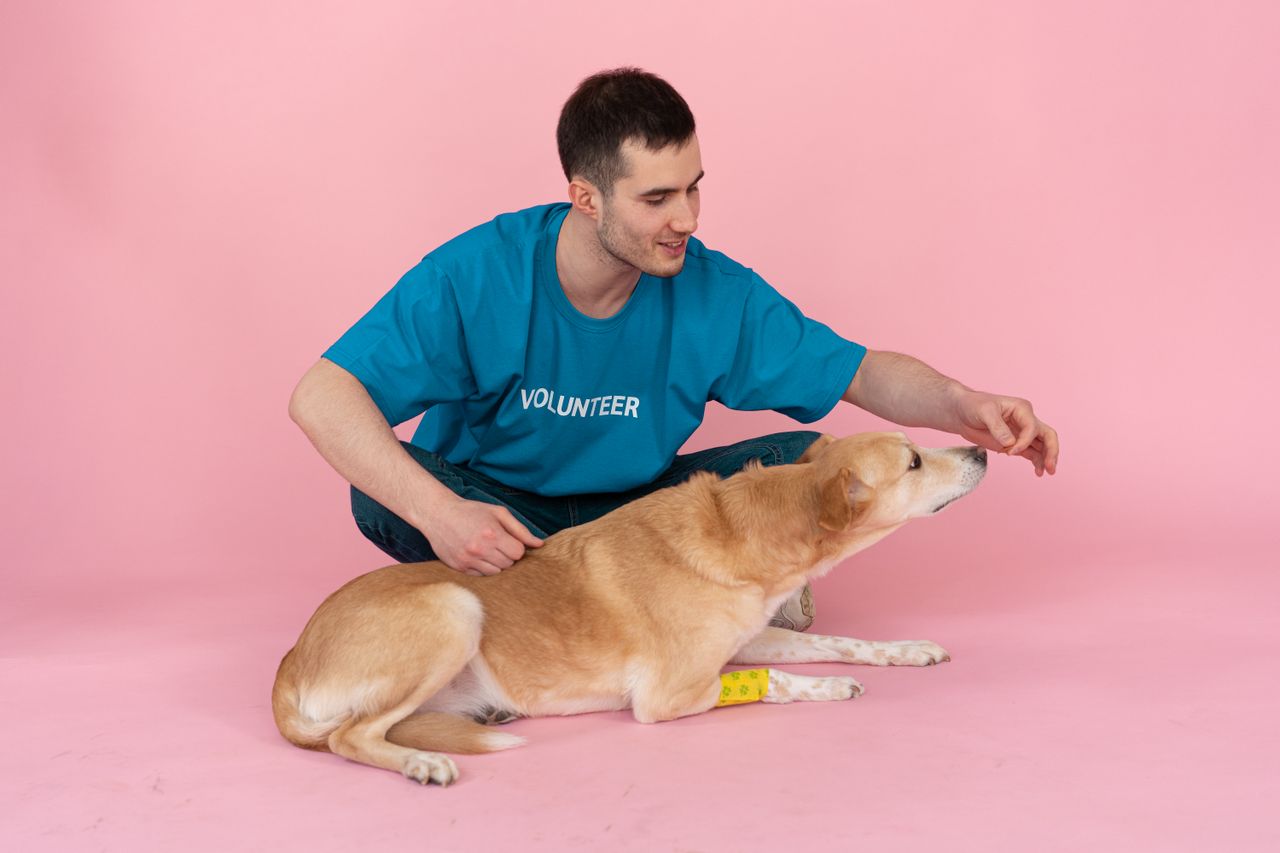
You might be walking into an animal clinic with a tight chest, a worried mind, and a pet who cannot explain what hurts. That moment can feel heavy, especially when you are trying to stay calm for an animal you love. In those rooms, skill matters, but so does tone of voice, body language, patience, and the ability to read what both pets and people need, especially when working with a veterinarian in West Palm Beach. That is why How Animal Clinics Train Staff For Compassionate Pet Care is not just a nice idea. It shapes the whole visit, from check-in to treatment to follow-up.
When clinics train teams well, they are teaching more than medical steps. They are teaching staff how to lower fear, communicate clearly, and respond with care when emotions run high. In practice, that means better handling for nervous pets, better support for families, and a steadier experience when decisions feel hard. If you have ever wondered what goes on behind the scenes at an Animal Clinic, the answer is often a mix of medical learning, communication practice, and steady emotional support training.
Why does compassionate pet care training matter so much in an animal clinic?
A clinic visit can go wrong in small ways before anyone notices. A barking lobby can raise a dog’s stress. A frightened cat can shut down or lash out. A worried owner may miss key instructions because they are focused on the fear of bad news. Because of this tension, you might wonder whether compassion can really be taught. In many ways, yes, it can.
Staff training often starts with low-stress handling. Team members learn how to approach animals slowly, how to watch for signs of fear, and how to adjust restraint so a pet feels safer. This kind of compassionate veterinary staff training helps reduce panic and can even make exams more accurate, since a terrified pet may show different signs than a calm one.
There is also the human side. Veterinary teams regularly support families through pain, guilt, money concerns, and grief. Programs such as the AVMA course on cultivating compassion show how clinics can build empathy and communication into daily work, rather than treating it as an extra. That matters because a rushed or cold exchange can stay with a family long after the visit ends.
Some clinics also draw from veterinary social work models that connect animal care with family well-being. Cornell has highlighted how veterinary social work supports care teams and pet owners, especially during crisis, illness, and end-of-life decisions. When staff understand grief, stress, and family dynamics, they can guide people with more steadiness and less confusion.
What does staff training for compassionate pet care actually include?
It usually includes more than most people realize. Medical clinics for pets train reception staff, technicians, assistants, and doctors in different but connected ways. The front desk may learn how to greet anxious owners, flag urgent concerns, and explain wait times without adding stress. Technicians may train in fear-free handling, pain recognition, and calming transitions between rooms. Veterinarians often build skills in shared decision-making, clear treatment explanations, and hard conversations.
So, where does that leave you as a pet owner? It means the best clinics do not treat kindness as personality alone. They build systems around it. Team meetings may review difficult cases. New hires may shadow senior staff. Continuing education, including offerings in the Cornell veterinary course catalog, can support learning in behavior, communication, and patient care.
Think about a simple example. A dog comes in shaking after a past bad visit. In one clinic, staff move quickly, hold the dog firmly, and finish the exam, but the pet leaves more fearful than before. In another, the team gives the dog time to settle, uses treats, keeps voices soft, and changes the exam order to reduce stress. The medicine may be the same, yet the experience is completely different. That is the heart of pet clinic staff education.
How do training methods compare when the goal is calmer pets and clearer support?
Not every method brings the same result. Some approaches focus only on speed and task completion, while others make room for emotional safety. The table below shows why that difference matters.
| Training Focus | What Staff Learn | Likely Effect on Pets | Likely Effect on Owners |
|---|---|---|---|
| Task only training | Basic procedures, scheduling, room flow | Care may be efficient, but fearful pets can become harder to examine | Owners may feel informed on logistics, but not fully supported |
| Low stress handling training | Body language, gentle restraint, calming techniques | Less fear, safer exams, better cooperation | More confidence in the clinic’s care approach |
| Communication and grief support training | Listening, explaining options, responding to distress | Indirect benefit through calmer interactions around the pet | Better understanding, less confusion, more trust |
| Ongoing team based training | Case review, feedback, updated care methods | More consistent care across visits | A steadier, more predictable clinic experience |
This is why animal healthcare training works best when it is ongoing. One workshop can help, but habits form through repetition, coaching, and a clinic culture that values calm, respectful care.
What can you do right now if you want a more compassionate animal clinic experience?
1. Ask how the clinic handles fear and stress.
You do not need to ask in technical language. Just ask how staff help nervous pets during visits. Their answer can tell you a lot about whether the clinic has a real plan or is relying on guesswork.
2. Share your pet’s triggers before the appointment.
If your cat panics around dogs, or your dog reacts to touch near an injured leg, say so early. Good teams can adjust the room, timing, and handling when they know what to expect.
3. Notice how the team talks to you, not just to your pet.
Do they explain what they are doing? Do they pause for questions? Do they acknowledge that you are worried? Compassion shows up in small moments, and those moments often reflect the clinic’s training.
How can better training change the whole experience of pet care?
When clinics invest in empathy, communication, and calm handling, families feel it. Pets feel it too, even if they cannot put it into words. A well-trained team can turn a tense visit into one that feels manageable, clear, and respectful. That does not remove every hard diagnosis or every painful decision, but it does mean you are less likely to face those moments feeling alone or rushed.
If you are looking for an Animal Clinic, pay attention to how the staff responds before treatment even begins. Their training often shows in the first hello, the first explanation, and the first gentle touch. That kind of care matters, and you are right to look for it.
