

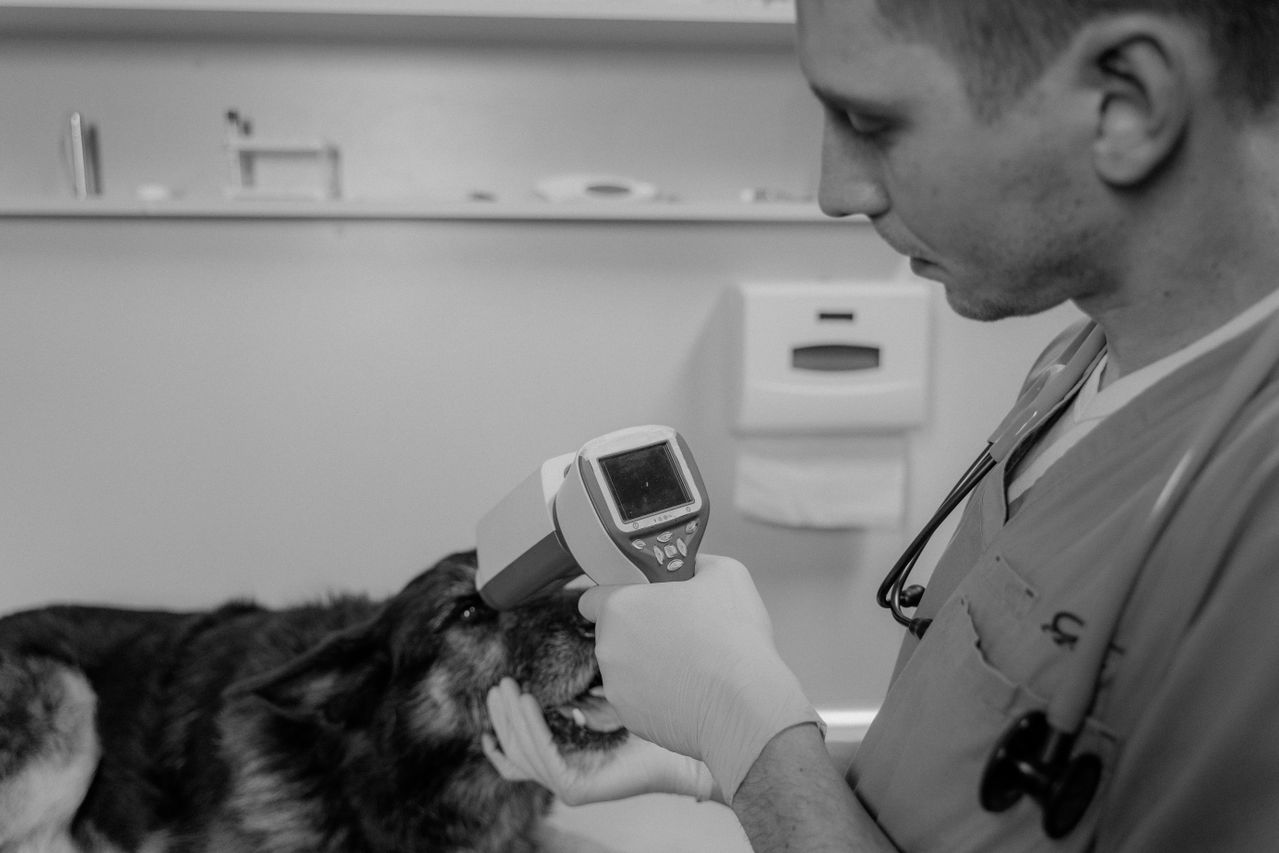
You might be watching your pet sleep right now, wondering if that little twitch, that soft whine, or that change in how they breathe means they are hurting. Before the surgery or treatment, your biggest worry was getting them through the procedure. Now that the “big day” is over, a new fear creeps in. Are they in pain, and how can you really know. The Squamish veterinary clinic team can help you understand what’s normal and what’s not.
That worry is very real. You do not want your animal to suffer, but you also do not want to overmedicate them or miss something important. You may feel torn between trusting the process and second guessing every small sign. Because of this tension, you might wonder where a veterinary hospital truly fits in and how much they can actually do for pain control after treatment.
The short answer is this. Modern veterinary hospitals put a huge amount of thought and planning into managing pain before, during, and after a procedure. They use medications, monitoring, and clear home care instructions to keep your pet as comfortable as possible. Your role is to watch, ask questions, and follow the plan, and their role is to guide you, adjust treatment when needed, and never make you feel silly for being concerned.
Why post treatment pain feels so confusing for pet owners
Part of what makes post treatment pain management for pets so stressful is that animals rarely show pain the way people do. A dog that just had orthopedic surgery may still wag their tail even while their joints ache. A cat that has had dental work might hide under the bed and you are left guessing if it is pain, fear, or just annoyance.
So where does that leave you. It usually leads to a swirl of questions. Is this normal. How much limping is too much. Are they crying because they are scared, or because it hurts. You might also be worried about giving pain medication. What if you give too much. What if it is not enough.
Veterinary hospitals understand this emotional storm. Good teams plan for it. They explain what “normal” looks like after surgery, what warning signs to watch for, and how your pet’s behavior might change during recovery. They also know that pain is not just about comfort. Poorly controlled pain can slow healing, decrease appetite, and make your pet reluctant to move, which can increase stiffness and complications.
If you are unsure what to expect, resources like this overview of postoperative care after surgery can help you see the bigger picture of recovery and what your veterinary team is aiming for.
How veterinary hospitals actually control pain after treatment
When you hear “pain control,” you may think of a single pill or injection. In reality, effective veterinary pain management after treatment is more like a layered safety net. Each layer does a different job, and together they keep your pet more comfortable than any single approach could.
Here is what that usually involves.
1. Planning before the procedure
Pain control starts before the first incision or treatment. The veterinary team chooses medications and techniques based on your pet’s age, species, health, and the type of procedure. For example, a young dog having a knee repair will likely get different medications than an older cat having dental extractions.
2. Pain control during surgery or treatment
During the procedure, your pet may receive injectable pain medications, local nerve blocks, or constant rate infusions that drip pain relief into the vein throughout surgery. The team monitors heart rate, breathing, and blood pressure, which can all change if pain is not well controlled.
3. Aftercare in the hospital
Once the procedure is done, the focus shifts to recovery. This is where the hospital staff watches how your pet wakes up, whether they vocalize, how they hold their body, and how they respond to handling. If they see signs of discomfort, they adjust medications right away. This early window sets the tone for the rest of recovery.
4. Pain control at home
This is the part that often feels the most scary for owners. The veterinary hospital sends your pet home with a pain plan. That might include anti inflammatory medications, stronger pain relievers, or even drugs that work on nerve pain if needed. They should explain what each medication does, how to give it, and what side effects to watch for.
Modern approaches to small animal pain management use what is called “multimodal” therapy. That simply means using more than one type of medication or technique so your pet gets better relief with fewer side effects.
5. Non drug support
Veterinary hospitals may also recommend things like controlled activity, cold or warm compresses, physical therapy exercises, or special bedding. These are not just “extras.” They can reduce pain and stiffness and help your pet feel safer and calmer, which also affects how they experience pain.
Comparing home only care with veterinary hospital supported pain management
You might wonder if you can manage pain on your own with rest, a quiet room, and maybe something over the counter. It is an understandable thought, especially if you are worried about cost. To make the differences clearer, here is a simple comparison.
| Aspect | Home Only, No Veterinary Guidance | Veterinary Hospital Guided Pain Management |
|---|---|---|
| Pain assessment | Owner guesses based on behavior, easy to miss subtle signs | Trained staff use exam findings and pain scoring to guide treatment |
| Medications | Risk of unsafe human meds or wrong dosing, limited options | Safe, species appropriate drugs, often used in combination |
| Monitoring and adjustment | No structured follow up, changes made only when things seem “very bad” | Planned rechecks or phone calls with adjustments as needed |
| Recovery quality | Higher risk of under treated pain, slower return to normal activity | Better comfort, improved appetite, smoother healing |
| Risk of complications | Greater chance of over activity or immobility due to pain, missed warning signs | Clear limits on activity, guidance on red flags, earlier intervention |
When you see it laid out this way, it becomes clearer why partnering with a veterinary hospital for pain control usually leads to a safer and smoother recovery.
Three practical steps you can take right now
1. Ask for a clear, written pain plan
Before your pet comes home, ask the veterinary staff to write out the pain plan in plain language. That should include the name of each medication, dose, timing, how long to use it, and what to do if you miss a dose. Ask them to describe what “normal” discomfort looks like and what would be a reason to call right away. Keep this sheet somewhere visible so you do not have to rely on memory when you are tired or worried.
2. Watch for specific behavior changes, not just crying
Many animals never cry from pain. Instead, they may sleep more, refuse food, hide, pant, stare at you, or seem unusually clingy or distant. Make a simple list of your pet’s normal habits before treatment. After you bring them home, note what has changed. If you are unsure whether what you see is pain or just stress, call the veterinary hospital and describe the behavior in detail. That information helps them decide if the pain plan needs to be adjusted.
3. Use the hospital as a partner, not just a one time stop
Pain management is not a single decision. It is a process. If your pet still seems uncomfortable 24 to 48 hours after treatment, or if things suddenly get worse, reach out. Ask if a recheck exam, a medication change, or an added comfort measure would help. You are not “bothering” anyone by asking. You are doing exactly what a good caregiver does, and your veterinary team is there to support that.
Finding confidence in your pet’s recovery
It is completely normal to feel nervous when you are responsible for a recovering animal. You care deeply, yet you cannot ask them how they feel. That gap can feel heavy. A well run veterinary hospital closes much of that gap by planning ahead, using layered pain control, and staying available to answer your questions.
As you move through the next few days, remember that you are not supposed to “just know” what is right. You are supposed to ask, observe, and speak up when something feels off. That is how veterinary hospital teams and pet owners work together to keep animals safe and as comfortable as possible after treatment.
Your pet’s pain can be managed. Their recovery can be smoother. The next step is simply to stay in close contact with your veterinary team, follow the pain plan, and reach out the moment your instincts tell you that something is not quite right.
