

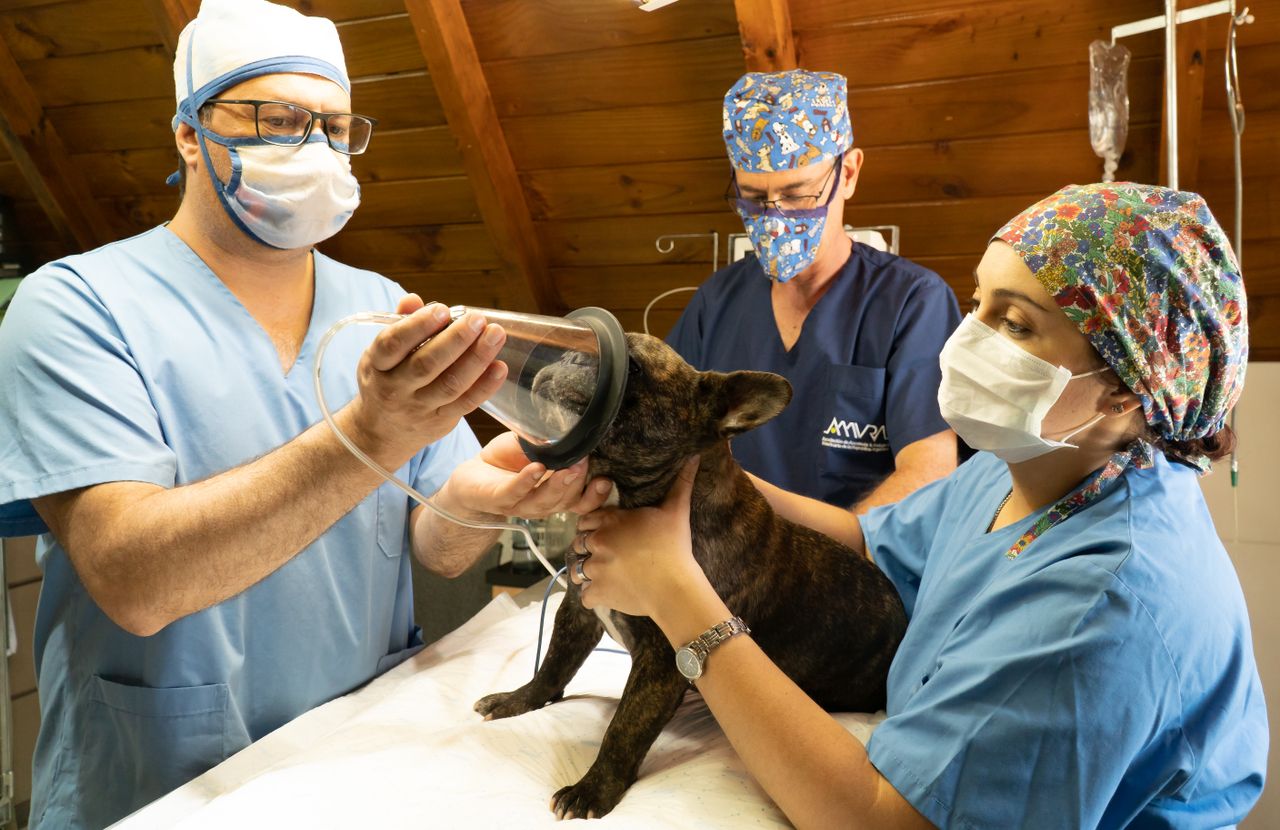
You might be feeling a quiet worry every time your pet slows down a little, skips a meal, or seems “just off.” Maybe you are juggling work, family, and everything else, and Brewerton veterinary care and vet visits end up being something you handle when there is an obvious problem. Then a sudden emergency bill or a scary diagnosis leaves you wondering if something was missed earlier, and if there was a way to avoid all of this.end
That gap between “everything seems fine” and “how did we get here” is exactly where long term preventive care lives. Animal hospitals put so much attention on prevention because it protects your pet’s health over time, reduces crisis moments, and often saves money and heartache. In simple terms, regular checkups, vaccines, screening tests, and early treatment stack up to give your pet a longer, more comfortable life.
So where does that leave you today. It means you do not have to wait for something to go wrong. You can use your animal hospital as a partner, not just a place you rush to in an emergency.
Why do animal hospitals talk so much about prevention instead of “fixing” problems?
It might feel more natural to think of the vet as the place you go when your dog is limping or your cat is vomiting. When there is no obvious problem, it can feel unnecessary or even stressful to book a visit. You may worry about the cost, the time off work, or the stress your pet feels in the car and waiting room.
Because of this tension, you might wonder why animal hospitals keep recommending wellness exams, vaccines, dental cleanings, and bloodwork when your pet “seems fine.” The answer is that many of the most serious conditions start quietly, without any clear sign that something is wrong. By the time you see obvious symptoms, you are often dealing with more advanced disease, higher costs, and tougher choices.
For example, a middle aged cat can develop kidney disease slowly. At home, you might notice nothing more than a bit of extra drinking or peeing, which is easy to miss in a busy household. A routine wellness exam with simple blood and urine tests can pick up early changes long before your cat is in crisis. Early care can slow the disease and give your cat years of good quality life instead of a sudden emergency.
The same is true for dogs. A heart murmur, early arthritis, or subtle dental disease may not change how your dog plays or eats at first. A veterinarian who sees your dog regularly can notice small changes in heart sounds, joint movement, or mouth odor that point to problems starting in the background.
Animal hospitals focus on ongoing preventive pet care because catching these issues early is kinder to your pet and easier on you. It is less about “upselling” and more about avoiding the painful moment when you hear “if we had seen this a year ago, our options would be better.”
What are the real-world challenges of long term preventive care?
Of course, knowing this does not magically erase the practical concerns you face. There are three big hurdles most pet owners run into. Time, money, and emotion.
On the time side, regular visits feel like one more thing on a long to do list. You might postpone an annual check because work is hectic, or because your pet hates the carrier, or simply because nothing seems urgent. That delay is very human, and animal hospitals understand it, yet this is exactly how small problems get room to grow.
Financially, wellness exams, vaccines, bloodwork, and dental cleanings can feel like a lot, especially if you are worried about a surprise bill. What many people do not see is the comparison between steady, predictable preventive costs and the shock of a single emergency visit or surgery. A blocked cat in the middle of the night or a dog with advanced dental infection can easily cost many times more than years of routine care.
Emotionally, there is also fear. Some people avoid checkups because they are afraid of bad news. It can feel easier not to know. Yet the “not knowing” rarely protects you. It only shortens the window where gentle, simple treatments can work.
This is why many animal hospitals design wellness programs, reminder systems, and gentle visit routines. Clinics like the Community Practice service at Washington State University focus on ongoing primary care for cats and dogs, not just emergencies, so they can walk with you through each life stage instead of meeting you only in crisis.
How does preventive care actually help your pet over a lifetime?
So what does long term prevention look like in concrete terms. It includes annual or twice yearly wellness exams, age appropriate vaccines, parasite control, dental care, and screening tests like bloodwork, urine tests, or imaging for certain breeds or ages. Each of these pieces plays a different role at different times in your pet’s life.
For a young adult dog, the focus might be on vaccines, heartworm and flea prevention, and early behavior or weight issues. For a senior cat, the focus might shift toward monitoring blood pressure, kidney function, thyroid levels, and joint pain. Clinics that emphasize proactive veterinary care tailor these visits to your pet’s age and risk, not a one size fits all routine.
Universities and teaching hospitals often share good examples of this approach. The Pet Health Center at the University of Georgia highlights annual wellness exams as a foundation. They use these visits to update vaccines, screen for parasites, and check for subtle changes that might point to early disease. This kind of structure is what your local animal hospital is aiming for too.
Over time, this steady attention builds a detailed record of your pet’s normal. When something starts to shift, your veterinarian can compare to past notes and tests and say “this is new” instead of guessing from a single snapshot.
Is preventive care really worth it compared with “wait and see”?
You might still be asking yourself whether all this planning is truly worth the effort. A simple comparison can help put it in perspective.
| Approach | What it usually looks like | Short term impact | Long term impact |
|---|---|---|---|
| Long term preventive care at an animal hospital | Regular wellness exams, vaccines, parasite control, dental care, routine lab tests, guidance on diet and weight | Predictable smaller costs, a bit of planning for visits, less anxiety about “what are we missing” | Earlier detection of disease, fewer emergencies, better quality of life, often lower lifetime medical costs |
| “Wait and see” reactive care | Skipping routine visits, going to the vet mainly for illness or injury, limited baseline records | Lower spending in quiet periods, fewer appointments, lingering worry in the back of your mind | Higher risk of sudden crises, advanced disease at diagnosis, larger one time bills, tougher treatment decisions |
This is the core reason animal hospitals keep emphasizing a strong preventive care program for pets. It shifts you away from firefighting and toward steady, thoughtful care that supports your pet’s whole life, from puppy or kitten energy to senior comfort.
What can you do right now to support long term preventive care?
You do not have to overhaul everything at once. A few clear steps can bring you from worry to a simple, workable plan.
1. Schedule a wellness exam and ask for a “big picture” plan
If your pet has not had a routine checkup in the last 12 months, or 6 months for seniors, call your animal hospital and book a wellness visit. During the appointment, tell your veterinarian you would like a long term plan, not just today’s exam. Ask what they recommend for your pet’s age, breed, and lifestyle over the next year. Vaccines, parasite prevention, dental care, and any screening tests should fit into that plan with clear timing and cost estimates.
2. Talk honestly about budget and visit stress
Preventive care works best when it is realistic for you. If money is tight, say so. Many clinics can prioritize which tests or treatments are most important now and which can wait. Some offer wellness packages or payment options. If your pet gets anxious at the vet, ask about strategies like pre visit calming medication, quiet appointment times, or fear free handling. Reducing stress for both of you makes it easier to stick with regular care.
3. Create simple habits between visits
Long term care is not only about what happens inside the animal hospital. At home, you can support your pet by keeping a steady diet, tracking weight, using monthly preventives, brushing teeth if possible, and watching for small changes in thirst, appetite, energy, or behavior. Keep a short note on your phone where you jot down anything new. Bring those notes to each visit so your veterinarian can see trends, not just a single day.
Moving forward with more confidence and less fear
Caring for an animal is both a joy and a responsibility, and it is normal to feel unsure about whether you are “doing enough.” Long term preventive care at an animal hospital is not about perfection. It is about steady, thoughtful choices that reduce avoidable suffering and surprise crises.
You do not have to wait for an emergency to reach out. Start with a wellness exam, ask questions, and build a plan that fits your life. Your pet does not need you to be perfect. They just need you to keep showing up and to use the support that preventive care offers over time.
