

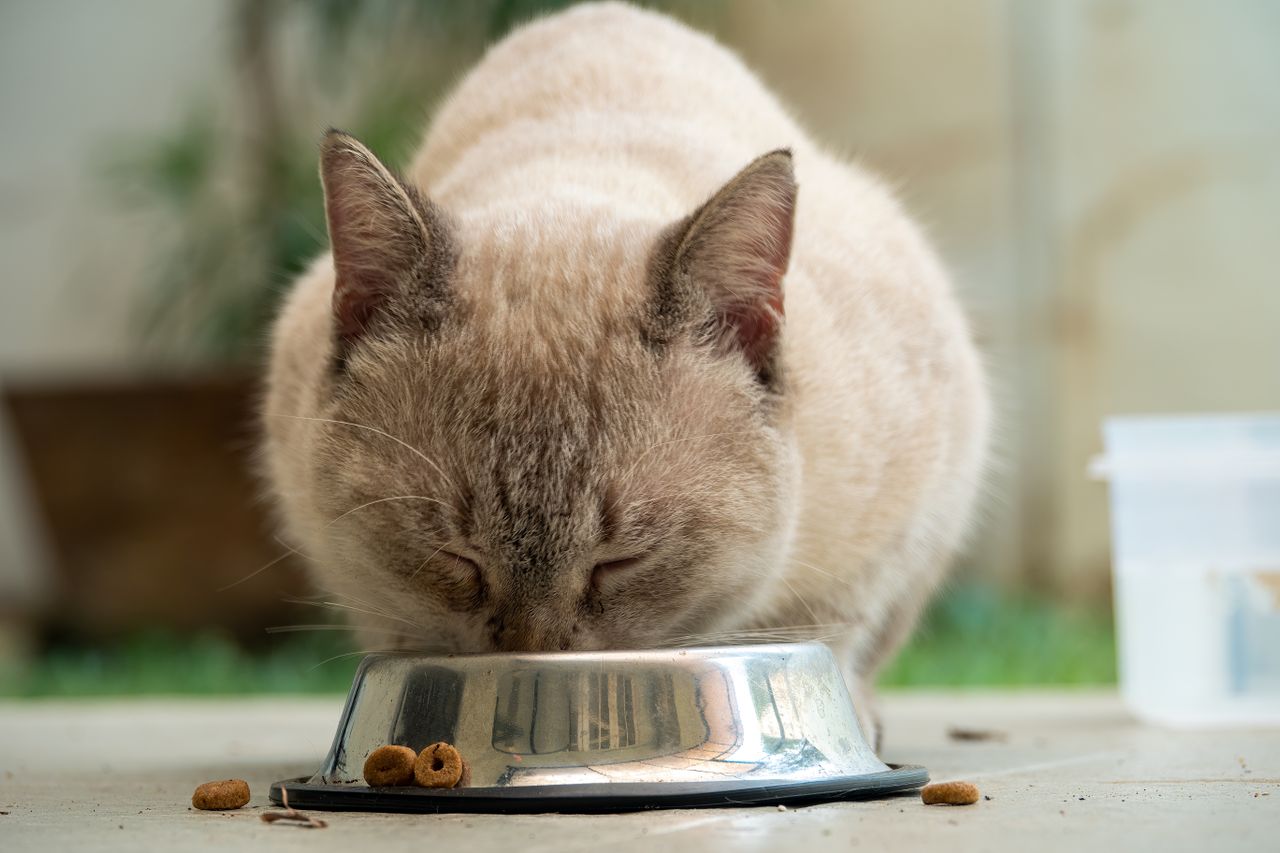
You might be watching your pet’s bowl and wondering if what you are putting in there is really enough. Maybe your dog has started gaining weight even though nothing changed, or your cat’s coat is dull and she is vomiting more. You may feel guilty, confused, and a little overwhelmed by all the marketing on pet food bags that claim to be “premium” or “natural.” A Berwyn veterinarian can help you sort through the options and understand what your individual pet truly needs so that it doesn’t feel like you are guessing with something that matters a lot.
At the same time, you care deeply. You want your pet to be comfortable, energetic, and to stay with you as long as possible. You hear that nutrition matters, but no one ever sat down and really walked you through what your individual pet needs. That gap between what you are doing now and what might be best is where pet nutrition counseling in veterinary care becomes so important.
In simple terms, nutrition counseling means your veterinarian uses medical knowledge, current research, and your pet’s unique story to create a food plan that fits. It helps you move from guessing and worrying to understanding and acting with confidence. Instead of chasing one new food trend after another, you build a steady, science based routine that supports your pet’s health at every life stage.
Why does pet nutrition feel so confusing in the first place?
Part of the stress comes from the sheer number of choices. Shelves are full of foods labeled grain free, fresh, raw, prescription, limited ingredient, and more. Each one promises benefits. You might read online reviews that say one food cured a dog’s allergies, while another review blames the same food for stomach issues. Because of this, it is easy to feel stuck between fear of making the wrong choice and frustration that no one is giving you a clear answer.
There is also the emotional piece. Food is love. You see your pet’s eyes light up when you give a treat, and it feels good. So when your veterinarian mentions weight gain, arthritis, diabetes risk, or kidney disease, it can feel like a judgment on your care, even though it is not. You are trying. You are doing your best with the information you have.
So where does that leave you? It leaves you with a very human tension. You want to protect your pet, you are being pulled in many directions, and you are not sure whom to trust. This is exactly why structured veterinary nutrition guidance matters. It replaces mixed messages with a clear conversation about what your specific pet needs based on medical guidelines, not marketing claims.
What happens when nutrition is not matched to your pet’s needs?
When food is not well matched to a pet’s age, size, activity level, and health conditions, problems build slowly. You might see subtle weight gain over months, or your dog tires more quickly on walks. A cat might begin to drink more water and use the litter box more. These changes can be early signs of issues like obesity, diabetes, early kidney strain, or joint pain that are all closely linked to diet.
For example, imagine a middle aged indoor cat on an all day “free choice” dry food buffet. She grazes constantly, gains weight, and develops early diabetes. Or picture a large breed dog fed a generic high calorie puppy food for too long. His joints are stressed by rapid growth and extra weight, and arthritis shows up years earlier than it needed to.
The financial strain often follows the health strain. Conditions like diabetes, urinary stones, or severe obesity are expensive to manage over time. There are vet visits, medications, special procedures, and sometimes emergency care. A thoughtful nutrition plan might not prevent every illness, but it can lower risks and often delay or soften the impact of disease, which can save money and stress in the long run.
This is why global groups such as the World Small Animal Veterinary Association offer structured nutrition guidelines for pets. These are not marketing tools. They are medical tools meant to help veterinarians work with you to make food choices that support long term health instead of reacting to problems after they appear.
How does nutrition counseling fit into general veterinary care?
Nutrition is not separate from medical care. It is part of it. A general veterinarian who offers thoughtful diet counseling is not just asking “what food do you use.” They are asking about your pet’s body condition, activity, treats, table scraps, supplements, and feeding routine. They are also thinking about breed risks, age, dental health, and any lab work that hints at early organ changes.
In many cases, a structured nutrition conversation can change the course of a pet’s life. For example, research published in the Journal of the American Animal Hospital Association highlights how obesity management, calorie control, and appropriate diet selection are now considered standard parts of medical care, not optional add ons. Addressing nutrition is no longer just about “good food.” It is about disease prevention and quality of life.
So when you hear the phrase pet diet counseling with your veterinarian, think of it as a medical appointment that focuses on fuel. Your vet uses tools like body condition scoring, diet history, and lab work to match your pet with an appropriate food type, portion size, and feeding schedule. When needed, your vet may also recommend a board certified veterinary nutritionist or trusted educational resources such as the client information from Texas A&M’s veterinary nutrition service.
Is DIY feeding enough, or do you really need professional guidance?
You might wonder if you can simply read labels and follow online advice. After all, you know your pet better than anyone. That knowledge is powerful, but it is only part of the picture. Nutrition counseling connects your real world observations with medical science, which can catch issues that are not obvious from the outside.
The comparison below can help you see where “do it yourself” feeding works well and where professional support from a general veterinarian adds important protection.
| Approach | What It Looks Like | Main Benefits | Common Risks | When It May Be Enough / Not Enough |
|---|---|---|---|---|
| DIY food choices without counseling | Choosing foods based on labels, price, reviews, or friends’ advice | Flexible, often convenient, can work for healthy pets with no special needs | Unbalanced nutrients, overfeeding, following trends that are not evidence based, missing early disease signs | May be enough for short periods in young, healthy pets, but not ideal for seniors, pets with medical issues, or long term planning |
| Professional nutrition counseling with a general veterinarian | Discussing diet during wellness visits, using body condition scores, lab work, and guidelines | Evidence based choices, early detection of problems, tailored feeding plan, better weight and disease management | Requires time and honest discussion, some recommended diets may cost more than generic options | Best for most pets, especially those who are overweight, underweight, aging, or have chronic conditions |
When you see it laid out this way, the question shifts. It is less “Can I figure this out alone” and more “Why carry this weight alone if a nutrition focused conversation with my veterinarian can protect my pet and my wallet over time.”
What can you do right now to support your pet’s nutrition?
1. Start a simple food and treat journal
For one week, write down everything your pet eats. Include main meals, treats, table scraps, chews, and any supplements. Note approximate amounts and times. This does not need to be perfect. The goal is to see patterns. Many people are surprised by how many extra calories come from small snacks throughout the day. Bringing this journal to your next veterinary visit gives your vet a clear picture and makes nutrition counseling more accurate.
2. Ask your veterinarian for a body condition and nutrition assessment
At your pet’s next appointment, ask for a body condition score and a nutrition review. Invite your vet to talk through ideal weight, daily calorie needs, and food options that match your pet’s health. You can also ask specific questions such as “Is this food appropriate for my pet’s age and condition” or “How can I safely help my pet lose or gain weight.” This turns a quick comment about weight into a real plan.
3. Choose one realistic change and commit to it
Trying to change everything at once is hard. Choose one achievable step. For example, you might measure meals with a cup instead of guessing, switch to a diet better suited to your pet’s life stage, or replace high calorie treats with lower calorie options your vet recommends. Track your pet’s weight and energy over a month. Small, consistent changes guided by veterinary nutrition support often add up to meaningful improvements in comfort and health.
Moving forward with more confidence and less worry
You do not need to become a nutrition expert to feed your pet well. You simply need a partner who understands both your pet’s medical needs and your daily reality. That is what nutrition counseling within general veterinary care is meant to provide. It turns confusion into a conversation and guesswork into a plan.
As you think about your pet’s next chapter, remember that food is one of the most powerful tools you have. With clear guidance, you can use it to support healthy weight, protect organs, and keep your companion more comfortable for more years. You are already showing care by asking these questions. The next step is to bring them to your veterinarian and start shaping a nutrition plan that truly fits your pet and your life.
