

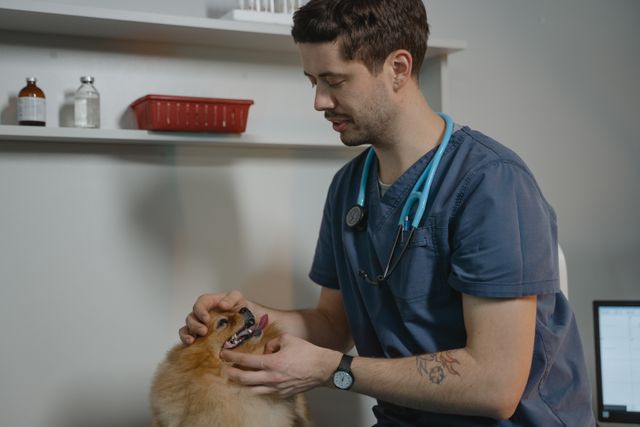
You might be feeling a mix of worry and guilt every time you think about taking your pet to an animal hospital. Maybe your dog shakes as soon as you pull into the parking lot, or your cat disappears the moment the carrier comes out. On top of that, you might have heard stories from friends or seen posts online that make you wonder if a full-service veterinary clinic in Roanoke, VA or other veterinary hospitals really have your pet’s best interests at heart.
Because of this, it is easy to put visits off, hope minor issues will resolve on their own, and tell yourself that “they are probably fine.” Under the stress, that can feel like the only option. Yet in the back of your mind, there is a quiet fear. What if waiting makes things worse.
This is where the biggest myths about animal hospitals quietly shape your choices. The short version is this. Veterinary care is not meant to be cold, rushed, or outrageously expensive every time. Most teams are trying to protect both your pet and your wallet, and many of the scariest stories you hear are either outdated or incomplete. By clearing up a few common myths, you can walk into your next visit with more confidence and less anxiety.
Myth 1: “My pet is healthy, so we only need the vet in an emergency”
It often starts with a well intentioned thought. Your pet seems happy, eats well, and runs around. So you decide that routine checkups are optional. Why stress them out with a trip to the veterinary hospital if nothing looks wrong.
The problem is that many serious conditions develop quietly. Heart disease, kidney problems, arthritis, dental disease, and even certain cancers can progress for months before you notice obvious signs. By the time you see clear symptoms, treatment can be harder, more expensive, and less effective.
Regular wellness exams, vaccines, and lab work are about catching issues early, when small changes can still make a big difference. The American Veterinary Medical Association explains what a typical veterinary visit includes and why it matters for long term health. You can read more about that in this guide to what to expect at your pet’s veterinary visit.
So where does that leave you. If your pet has not seen a vet in more than a year, consider that your starting point. A calm, routine visit today can prevent a frightening emergency visit later.
Myth 2: “Veterinary hospitals only care about money”
This one stings, because it usually comes from a place of real financial stress. You might have walked out of an animal hospital with a bill that made your stomach drop, then wondered if every test and treatment was truly needed. It can feel like you are being forced to choose between your budget and your pet’s wellbeing.
The tension is real. Veterinary care can be expensive, especially in emergencies. Yet most veterinarians are not trying to “pad the bill.” They are working within medical standards and legal requirements, while using modern diagnostics and treatments that do cost money to provide.
There is another layer too. Unlike human hospitals, veterinary hospitals usually do not have government or insurance reimbursements covering most costs. You see more of the true price up front. That does not make the cost easier, but it does explain why it can feel so sharp.
A more accurate way to view it is this. The hospital is responsible for recommending what is best for your pet’s health. You are responsible for deciding what is possible for your family. Honest conversations about budget are not rude. They are necessary. A good veterinary team will walk you through options, explain what is urgent and what is optional, and help you prioritize.
Myth 3: “If my pet is scared, the vet visit will just traumatize them”
If you have seen your pet pant, shake, growl, or claw at the carrier on the way to the animal hospital, you know how heartbreaking it can be. You might worry that every visit just makes things worse, so you avoid going unless you absolutely must.
The fear is real, yet modern veterinary hospitals are investing more effort than ever in fear reduction. Many clinics use “fear free” techniques. These include gentle handling, pheromone sprays, slow introductions, and even pre visit anti anxiety medications when needed. The goal is not to “force them through it.” The goal is to gradually build a safer experience.
There are also simple things you can do at home. Practice short, positive car rides. Leave the carrier out as a normal piece of furniture, with treats and soft bedding inside. For noise sensitive pets, such as dogs afraid of fireworks, the Riney Canine Health Center at Cornell shares practical tips for protecting pets from loud noises and fear triggers. Those same comfort strategies can help with vet visit anxiety too.
So instead of seeing each visit as “trauma,” you can work with your veterinary team to create a plan that respects your pet’s emotional limits and builds trust over time.
Myth 4: “Online advice and products are just as good as a vet visit”
When you are worried and money is tight, it is tempting to search symptoms, order over the counter treatments, and hope for the best. The internet is full of confident answers and miracle supplements. It can look like a shortcut around the animal hospital.
The risk is that many products are unregulated, unproven, or even dangerous. Even when a product is safe, it might not be right for your pet’s specific condition, age, or other medications. That is where professional guidance matters.
The U.S. Food and Drug Administration shares clear information to help pet owners understand safe medication use and watch out for misleading claims. You can explore their resources on animal health literacy and safe pet treatments to see how to evaluate what you find online.
Online research can be a helpful starting point, but it should not replace a proper exam. Think of it as a way to ask better questions, not as a final diagnosis.
Myth 5: “All veterinary hospitals are the same, so it does not matter where I go”
When you feel overwhelmed, it can be easier to think of every animal hospital as identical. The closest one or the cheapest one becomes the default choice. If something goes badly, you might conclude that “vets are all alike.”
In reality, clinics differ in experience, equipment, communication style, and approach to pain control and fear reduction. Some focus on routine care. Others handle complex surgeries or emergency cases. Some feel rushed. Others build in more time to talk.
This matters because the right fit can calm your anxiety and improve your pet’s experience. When you feel heard and respected, it is easier to ask questions, set boundaries, and share concerns early. That partnership can prevent misunderstandings that fuel many of the myths about animal hospitals.
How do common myths compare to veterinary reality?
To make this more concrete, it can help to see the myths side by side with what typically happens in a well run veterinary hospital.
| Myth about vet hospitals | What many owners fear | Reality in a good animal hospital |
|---|---|---|
| “Healthy pets do not need checkups.” | Visits feel unnecessary and stressful. | Routine exams catch hidden issues early and keep vaccines, weight, and dental health on track. |
| “They just want my money.” | Pressure to accept every test, with no choice. | Clinics recommend ideal care, then work with you to prioritize within your budget when you ask. |
| “The vet will traumatize my pet.” | Fear of worsening anxiety and aggression. | Many teams use gentle handling, anti anxiety plans, and slow introductions to reduce stress. |
| “Google and supplements are enough.” | Belief that home care can replace exams. | Online info can mislead. Physical exams and diagnostics are key to safe, accurate treatment. |
| “All clinics are the same.” | No point in researching or asking questions. | Hospitals differ in communication, services, and philosophy, so finding a good match is worth the effort. |
What can you do today to feel more confident about vet care?
Knowing the myths is one piece. The next step is turning that knowledge into action that feels manageable, not overwhelming.
1. Schedule a low pressure wellness visit
If your pet is overdue, start with a routine checkup rather than waiting for a crisis. Tell the clinic up front if your pet is anxious or if you are worried about cost. Ask for an estimate before any tests, and request that the team explain which items are urgent and which are optional. This sets the tone for honest, respectful communication.
2. Prepare your questions and your pet
Write down your top three concerns so you do not forget them once you are in the exam room. For your pet, practice short, positive experiences related to the visit. Reward them for going near the carrier, sitting in the car, or allowing gentle handling of paws, ears, and mouth. Small, repeated positives can soften the stress of the actual appointment.
3. Choose your information sources wisely
Instead of scrolling through random forums, stick with trusted resources and your veterinary team for guidance. Use educational sites, such as those on animal health literacy, to understand general concepts, then confirm with your vet before trying new treatments or supplements. This balance protects your pet and reduces your own second guessing.
Moving past myths toward a better experience for you and your pet
It is completely normal to feel wary about veterinary hospitals, especially if you have had a rushed visit, a large bill, or a scared pet in the past. Those experiences leave a mark. Yet they do not have to define every future decision.
By questioning the stories you have heard and understanding these common myths about veterinary care, you give yourself room to make calmer, more informed choices. Your pet does not need perfection. They need you, supported by a trusted animal hospital team, working together over time.
You can start small. One honest conversation with a veterinarian. One wellness visit instead of waiting. One decision to check a trusted source before trying something new. Each step moves you away from fear and closer to steady, thoughtful care for the animal who depends on you.
