

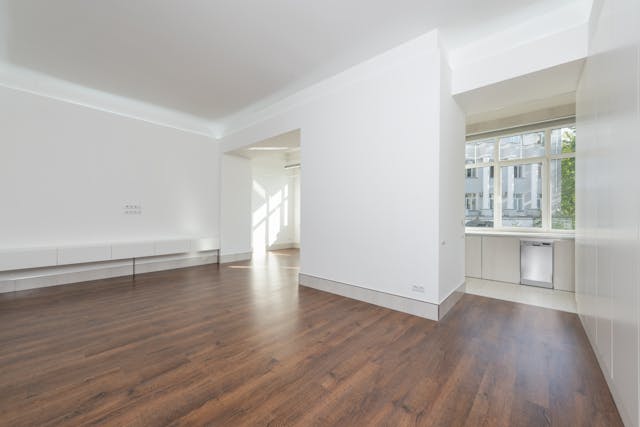
High traffic areas need strong flooring. These are the places where people walk again and again every day. Hallways, living rooms, kitchens, offices, shops, entrances, and stairs all face more wear than quiet rooms.
If you are planning to buy flooring in Abu Dhabi for a busy home, office, shop, or hallway, choose a material that can handle daily foot traffic, dust, spills, and regular cleaning without losing its fresh look.
So, the right flooring should look good, feel comfortable, and handle daily pressure. It should also be easy to clean. A beautiful floor is great, but a floor that stays beautiful for years is even better.
What Counts As A High Traffic Area?
A high-traffic area is any space used many times during the day. In a home, this can be the hallway, kitchen, living room, or main entrance. In a workplace, it can be the reception area, corridor, meeting room, or showroom.
These areas face shoes, dust, furniture movement, food spills, pet marks, and sometimes heavy footfall. So, the flooring must be tougher than the flooring used in bedrooms or guest rooms.
Look For Strong And Durable Materials
Durability should be your first focus. A weak floor may look nice at first, but it can scratch, fade, or crack quickly.
Some good flooring options for busy areas include vinyl flooring, laminate flooring, porcelain tiles, SPC flooring, engineered wood, and commercial carpet tiles. Each one has its own benefits.
For example, vinyl and SPC flooring are great for homes with kids or pets. Tiles work well in kitchens and entrances. Carpet tiles can be useful in offices because damaged tiles can be replaced one by one.
Choose Flooring That Is Easy To Clean
Busy areas get dirty faster. Dust, mud, food crumbs, and spills can build up quickly. So, choose flooring that does not need too much care.
Vinyl, tiles, and SPC flooring are easy to wipe. They are good for kitchens, shops, and family spaces. Laminate flooring is also simple to clean, but it needs care around water.
For offices, carpet tiles can hide dust better than plain floors. However, they need regular vacuuming to stay fresh.
Think About Water And Spill Resistance
Some areas face more moisture than others. Kitchens, entrances, bathrooms, laundry areas, and commercial spaces may deal with spills or wet shoes.
In these areas, water-resistant flooring is a smart choice. SPC flooring, vinyl flooring, and porcelain tiles handle moisture better than many other options.
Wooden flooring can look warm and rich, but it needs extra care in wet spaces. If you love the wood look, choose wood-effect vinyl or SPC flooring. It gives the same style with easier care.
Check Scratch And Stain Resistance
High-traffic floors need protection from scratches and stains. Shoes, chairs, pet claws, toys, and dropped items can damage the surface.
For homes, scratch-resistant vinyl, laminate, or SPC flooring can work well. For shops and offices, commercial-grade flooring is a safer choice.
Also, check the surface finish. Matte finishes often hide small marks better than very glossy floors. Glossy floors can look bright, but scratches may show more easily.
Pick The Right Texture For Safety
Flooring should feel safe underfoot. Smooth floors can become slippery, especially near doors, kitchens, or wet areas.
Textured tiles, anti-slip vinyl, and matte SPC flooring can add better grip. This is useful for homes with children, elderly people, or pets.
For stairs, choose flooring with good traction. You can also add stair nosing or runners for extra safety.
Match The Flooring With Your Lifestyle
The best flooring depends on how the space is used.
If you have children, choose a floor that handles spills and rough use. If you have pets, look for scratch-resistant and easy-to-clean flooring. If the space is an office, choose flooring that can handle chairs, shoes, and daily movement.
For rental homes, vinyl or laminate can be a budget-friendly choice. For long-term homes, SPC, tiles, or engineered wood may offer better value.
Think About Comfort Underfoot
Strong flooring should also feel comfortable. Some hard floors can feel cold or firm underfoot. This matters in living rooms, bedrooms, and family areas.
Vinyl and laminate feel softer than tiles. Carpet tiles feel warmer and quieter, which makes them suitable for offices and bedrooms. Engineered wood also feels warm and natural.
If comfort is important, ask about an underlay. A good underlay can reduce noise and make the floor feel better.
Consider Noise Control
Busy areas can become noisy. Footsteps, chairs, and dropped items can make hard floors sound louder.
Carpet tiles are good for noise control. Vinyl and laminate can also reduce sound with the right underlay. Tiles are stronger, but they can make sounds sharper.
For apartments, offices, or upstairs rooms, sound control is very important. A good underlay can make a big difference.
Choose Colours That Hide Daily Marks
Colour matters more than many people think. Very light floors can show dirt. Very dark floors can show dust and scratches. Mid-tone shades are often the easiest to maintain.
Grey, beige, oak, walnut, and natural stone shades are popular for busy spaces. They look clean and hide small marks better.
Also, patterned flooring can hide dirt better than plain flooring. This is useful for entrances, shops, and family areas.
Balance Style With Practical Use
A floor should match your space, but it should also suit your routine. A beautiful floor that needs constant cleaning may become stressful.
For a modern home, SPC or vinyl in a wood design can look stylish and stay practical. For a luxury feel, porcelain tiles or engineered wood can work well. For offices, carpet tiles or commercial vinyl can give a neat and professional look.
The goal is simple. Choose a floor that looks good and makes daily life easier.
Check The Wear Layer
For vinyl and SPC flooring, the wear layer is important. This is the top layer that protects the floor from scratches and marks.
A thicker wear layer usually means better strength. For homes, a medium wear layer can work well. For offices, shops, and other busy places, choose a stronger commercial-grade option.
Always ask about the wear layer before buying. It tells you a lot about how the floor will perform.
Set A Practical Budget
Flooring prices can vary a lot. The cheapest option may save money at first, but it may need replacement sooner. A slightly stronger floor can be a better value over time.
Think about the full cost. This includes the material, underlay, fitting, trims, and maintenance. Also, consider how long the floor is expected to last.
A good floor is an investment. It should support your space for years, not just look nice on day one.
Ask About Installation Quality
Even the best flooring can fail with poor installation. Uneven floors, gaps, weak fitting, and wrong underlay can cause problems later.
Before installation, the surface should be clean, level, and dry. The right fitting method should also be used for the chosen flooring type.
For busy areas, expert installation is worth it. It helps the floor stay firm, smooth, and long-lasting.
Best Flooring Options For High Traffic Areas
Vinyl flooring is great for homes, offices, and shops. It is easy to clean and comes in many styles.
SPC flooring is strong, water-resistant, and suitable for busy family areas.
Porcelain tiles are very durable and good for kitchens, entrances, and commercial spaces.
Laminate flooring gives a wood look at a lower price. It works well in dry areas.
Engineered wood looks natural and warm. It suits living rooms and premium spaces.
Carpet tiles are useful for offices because they reduce noise and are easy to replace.
Common Mistakes To Avoid
Many people choose flooring only by colour or design. Style matters, but strength matters more in busy areas.
Another common mistake is choosing glossy flooring for spaces that get dusty or scratched easily. Also, some people forget about water resistance in kitchens or entrances.
A smart choice looks at use, cleaning, safety, comfort, and budget together.
Final Thoughts
Choosing flooring for high-traffic areas is all about balance. The floor should be strong, easy to clean, safe, and suitable for daily use.
Think about who uses the space, how often it is used, and what kind of mess or pressure the floor will face. Then pick a material that fits your lifestyle.
With the right choice, your flooring can stay fresh, neat, and comfortable for years.
