

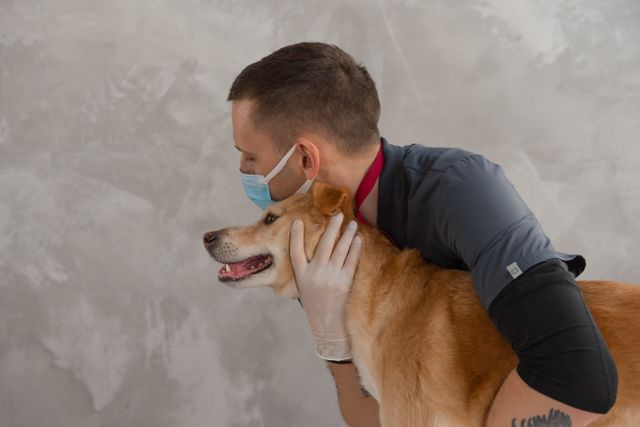
You notice something is off with your pet, and your mind goes straight to the hard part. Is this serious,can it wait, will the visit cost more than expected, and are veterinary hospital services only for true emergencies? That spiral is common. When an animal you love seems sick or hurt, even simple decisions can feel heavy. An Oakville veterinarian can help you decide what to do next.
A lot of that stress comes from bad information. People hear half-true stories from neighbors, old advice from online forums, or assumptions based on human medicine, and those myths can delay care or lead to the wrong kind of care. The short version is simple. A veterinary hospital does far more than handle dramatic emergencies; costs are not always as extreme as people fear, and early treatment often protects both your pet and your budget.
Myth 1: Veterinary hospital services are only for life or death emergencies
This is one of the most common misunderstandings about a veterinary hospital. Many pet owners picture flashing lights, overnight monitoring, and only the worst-case scenarios. That image leaves out a lot. Veterinary hospitals often provide urgent care, diagnostic imaging, surgery, specialty consults, monitoring, and treatment for conditions that are serious but not yet critical.
You may be looking at vomiting that has lasted all day, sudden limping, trouble breathing, a seizure, or a wound that seems small but keeps bleeding. None of those should be brushed aside just because your pet is still walking around. Animals often hide pain well, which means a pet can look “mostly fine” while something more serious is building underneath.
Reliable emergency guidance can help you judge what needs immediate attention. Cornell’s list of pet emergency warning signs covers symptoms that deserve prompt care, including breathing trouble, collapse, severe bleeding, and toxin exposure.
The myth matters because waiting can turn a manageable problem into a crisis. A urinary blockage, heatstroke, bloat, or internal injury can worsen fast. In that moment, myths about animal hospital care stop being harmless opinions and start affecting real outcomes.
Myth 2: Veterinary hospital care always costs too much to be worth it
This fear keeps many people home longer than they should. You may already be doing the math in your head before you even pick up the phone. That reaction makes sense. Pet care costs are real, and surprise treatment is stressful.
The problem is that “too expensive” gets treated like a fixed fact when it usually depends on timing, severity, and what your pet actually needs. Early evaluation is often less expensive than delayed treatment. A dog with mild dehydration and vomiting may need an exam, fluids, and medication if seen early. Wait another day, and that same dog may need bloodwork, imaging, hospitalization, and round-the-clock monitoring.
Not every visit leads to a massive bill. Some cases need reassurance, a treatment plan, and follow-up with your primary vet. Some hospitals also discuss estimates before treatment begins, explain options, and help owners prioritize necessary care. That conversation matters. It replaces panic with choices.
This is where veterinary hospital misconceptions do real damage. They make owners assume the outcome before they know the facts. Cost concerns are valid, but they should lead to a call and a clear estimate, not silence.
Myth 3: A regular clinic and a veterinary hospital offer the same level of support
Your primary veterinarian is central to your pet’s health. That does not mean every clinic is built for the same cases. A veterinary hospital may have advanced imaging, oxygen support, surgical teams, isolation areas, intensive monitoring, and staff trained for emergency and critical care.
That difference matters when minutes count or when a case is complex. A pet in respiratory distress, shock, active seizure, or severe trauma may need equipment and staffing that go beyond a standard daytime appointment model. Ohio State’s overview of pet emergency and critical care services shows how hospitals handle those higher acuity situations.
This is not about one being “better” than the other. It is about matching the setting to the need. Your regular vet handles wellness, prevention, chronic disease management, and many common illnesses. A hospital steps in when the condition needs urgent diagnostics, advanced treatment, or continuous observation.
Veterinary hospital services and delayed care create different outcomes
| Situation | Waiting at Home | Getting Veterinary Hospital Care |
|---|---|---|
| Repeated vomiting | Dehydration can worsen, and the cause may go untreated | Exam, fluids, imaging, and medication can start early |
| Breathing difficulty | Oxygen levels may drop fast with little warning | Immediate oxygen support and monitoring are available |
| Limping after injury | Fractures or internal injuries may be missed | X-rays, pain control, and stabilization can happen the same day |
| Possible toxin exposure | Symptoms may appear after damage has started | Decontamination and targeted treatment can begin sooner |
The pattern is clear. Delay often adds risk, pain, and cost. Prompt care gives you information sooner, and that alone can lower stress. When people talk about veterinary hospital services as if they are only a last resort, they miss the value of fast answers and proper triage.
Clear steps you can take right now
1. Track the symptoms in real time. Note when the problem started, how often it is happening, whether your pet ate, drank, urinated, or had a bowel movement, and any possible injury or toxin exposure. Those details help the care team act faster.
2. Call before you assume. If your pet has breathing trouble, collapse, seizures, severe bleeding, repeated vomiting, sudden swelling, or extreme lethargy, contact a veterinary hospital right away. If the signs feel gray, call anyway. Triage over the phone can help you decide what to do next.
3. Prepare for urgent visits before you need one. Save the number and address of your nearest hospital, keep your pet’s records easy to find, and set aside an emergency fund if you can. Planning while things are calm is far easier than scrambling when your pet is in distress.
When your pet is unwell, confusion adds another layer of fear. Facts help. A veterinary hospital is not just for dramatic emergencies; treatment is not always as financially out of reach as people assume, and the level of support can be very different from a standard clinic visit. If something feels wrong, trust that instinct and seek help quickly. Fast action gives your pet the best chance at comfort, stability, and recovery.
