

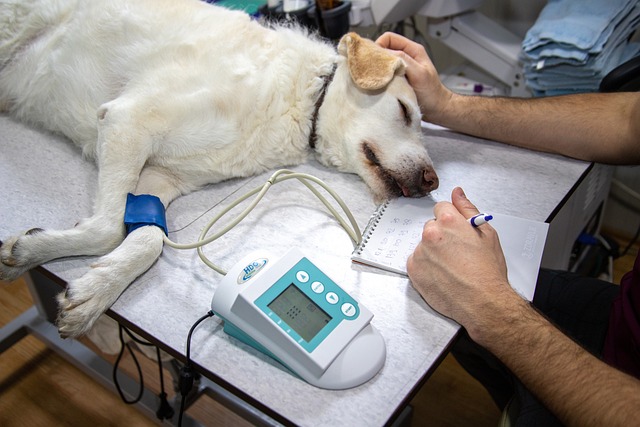
You might not think about a veterinary hospital until the moment you really need one. Maybe your dog stopped eating, your cat is hiding and breathing fast, or you are trying to plan travel and suddenly realize your pet needs paperwork, vaccines, and timing that feel harder than expected. In those moments, it is easy to feel pulled between worry, cost, and the fear of missing something important, which is why pet wellness exams in Meridian can help you stay prepared before urgent issues arise.
That is why it helps to know what a veterinary hospital actually does before stress takes over. At the simplest level, the 5 essential services every veterinary hospital provides usually include preventive care, diagnostics, emergency treatment, surgery, and travel or health documentation. When you understand how these services work together, it becomes easier to ask the right questions and get your pet the care they need without feeling lost.
Why does a veterinary hospital matter when so much can change so fast?
Most pet health problems do not announce themselves clearly. A limp can be a sore paw, or it can be a torn ligament. Vomiting can pass in a day, or it can point to poisoning, a blockage, or disease. Because of that uncertainty, a veterinary hospital is more than a place for shots or annual visits. It is a medical setting built to handle the full picture, from routine wellness to urgent care.
That full picture matters because small issues often become bigger when they are delayed. A simple ear infection can turn painful and expensive. Dental disease can affect the heart, liver, or kidneys over time. A pet that seems only tired may need blood work that reveals something you could never see at home. So, where does that leave you? Usually with one clear answer. Early care gives you more options, and better options often mean less stress for both you and your pet.
What preventive care does a pet hospital provide before problems grow?
Preventive care is often the first and most familiar service. This includes wellness exams, vaccines, parasite prevention, dental checks, nutrition guidance, and monitoring for age related changes. It can feel basic, but this is where many serious conditions are caught early.
Think of the yearly exam as a checkpoint, not a formality. Your pet cannot explain that their joints hurt, that chewing feels different, or that they are drinking more water than usual. A veterinarian looks for those patterns and compares them over time. That is one reason animal hospital services matter so much. They create a record of your pet’s health, which helps the care team notice changes you may not catch day to day.
Preventive care also helps with public health and travel planning. If you are preparing to cross state lines or travel abroad, health certificates and vaccine timing can become very specific. The USDA pet travel process overview is a helpful place to understand those requirements before your timeline gets tight.
When symptoms are unclear, how do diagnostics at a veterinary hospital help?
One of the most important services a veterinary hospital provides is diagnostic testing. This can include blood work, urinalysis, fecal testing, X rays, ultrasound, and lab analysis. When a pet seems off but the cause is not obvious, diagnostics move care from guessing to knowing.
This matters more than many people realize. Two pets can show the same symptom and need very different treatment. A dog with diarrhea may need a diet change, while another may have a parasite or pancreatitis. A cat with weight loss may be stressed, or may have thyroid disease, diabetes, or kidney trouble.
For more complex cases, veterinarians may also work with advanced labs such as the Cornell Animal Health Diagnostic Center. Access to quality testing helps confirm what is happening and guides treatment with more confidence.
What happens when your pet cannot wait for a regular appointment?
Emergency and critical care is another core part of a veterinary hospital. This is the service people hope they never need, yet it is often the one they remember most. Trouble breathing, seizures, trauma, collapse, poisoning, severe vomiting, blocked urination, and labor problems can all require immediate attention.
In an emergency, time changes everything. Waiting to see if a pet improves can sometimes close the window for the safest treatment. That is why hospitals with urgent and emergency capability are so important. If you want a sense of how this level of care works, Ohio State’s pet emergency and critical care service shows the kind of support available when a case becomes serious.
This is also where the generic idea of a veterinary hospital becomes very real. It is not only a building. It is a place where trained teams can stabilize pain, manage shock, monitor vital signs, and make fast decisions when your pet does not have time to wait.
Why are surgery and follow up care such a central part of veterinary care?
Surgery is not limited to spay and neuter procedures, though those are common and important. Veterinary hospitals also handle wound repair, mass removal, dental extractions, foreign body surgery, orthopedic procedures, and other operations based on a pet’s needs.
What often gets overlooked is the care around the surgery. Pre operative testing helps lower risk. Pain management improves recovery. Follow up visits help make sure healing stays on track. Without that support, even a successful procedure can become more stressful than it needs to be.
That is one reason many owners look for a pet hospital that can provide both treatment and follow up in one place. Continuity matters. When one team knows your pet’s history, medications, and recovery pattern, it reduces confusion and helps problems get addressed sooner.
How do these essential veterinary services compare in everyday life?
When you are trying to decide what to schedule now versus what can wait, a simple comparison can help. The table below shows how these core services differ in purpose and urgency.
| Service | What It Covers | When You Usually Need It | Why It Matters |
|---|---|---|---|
| Preventive Care | Exams, vaccines, parasite control, dental checks | On a routine schedule | Finds issues early and helps prevent avoidable illness |
| Diagnostics | Blood work, imaging, lab tests | When symptoms are unclear or persistent | Turns uncertainty into a treatment plan |
| Emergency Care | Trauma, poisoning, breathing trouble, collapse | Immediately | Can protect life and reduce long term harm |
| Surgery | Routine and advanced procedures | When a condition cannot be managed with medicine alone | Addresses pain, injury, disease, or urgent internal problems |
| Health Certificates and Documentation | Travel papers, vaccine records, exam verification | Before travel, boarding, or certain moves | Prevents last minute delays and compliance issues |
What can you do right now to feel more prepared?
1. Build a care baseline. Schedule routine exams and keep vaccine, medication, and symptom notes in one place. If your pet’s behavior changes later, that record gives your veterinarian a clearer starting point.
2. Know your emergency plan. Find the nearest veterinary hospital that offers urgent or emergency care, save the number, and learn the signs that should never wait, such as trouble breathing, seizures, collapse, or repeated vomiting.
3. Ask about services before you need them. If your pet is older, has a chronic condition, or you plan to travel, ask in advance about diagnostics, surgery support, and health certificates. Planning while things are calm is much easier than sorting it out in a crisis.
Caring for a pet can feel heavy when something is wrong, and even routine care can raise hard questions about timing, cost, and what matters most. Still, knowing the core services a veterinary hospital provides can give you a steadier path forward. When you understand the role of prevention, testing, emergency care, surgery, and documentation, you are better prepared to protect your pet before small problems turn into bigger ones.
If your pet is due for a checkup, showing new symptoms, or needs travel paperwork, now is a good time to reach out to a trusted veterinary hospital and ask what support is available.
