

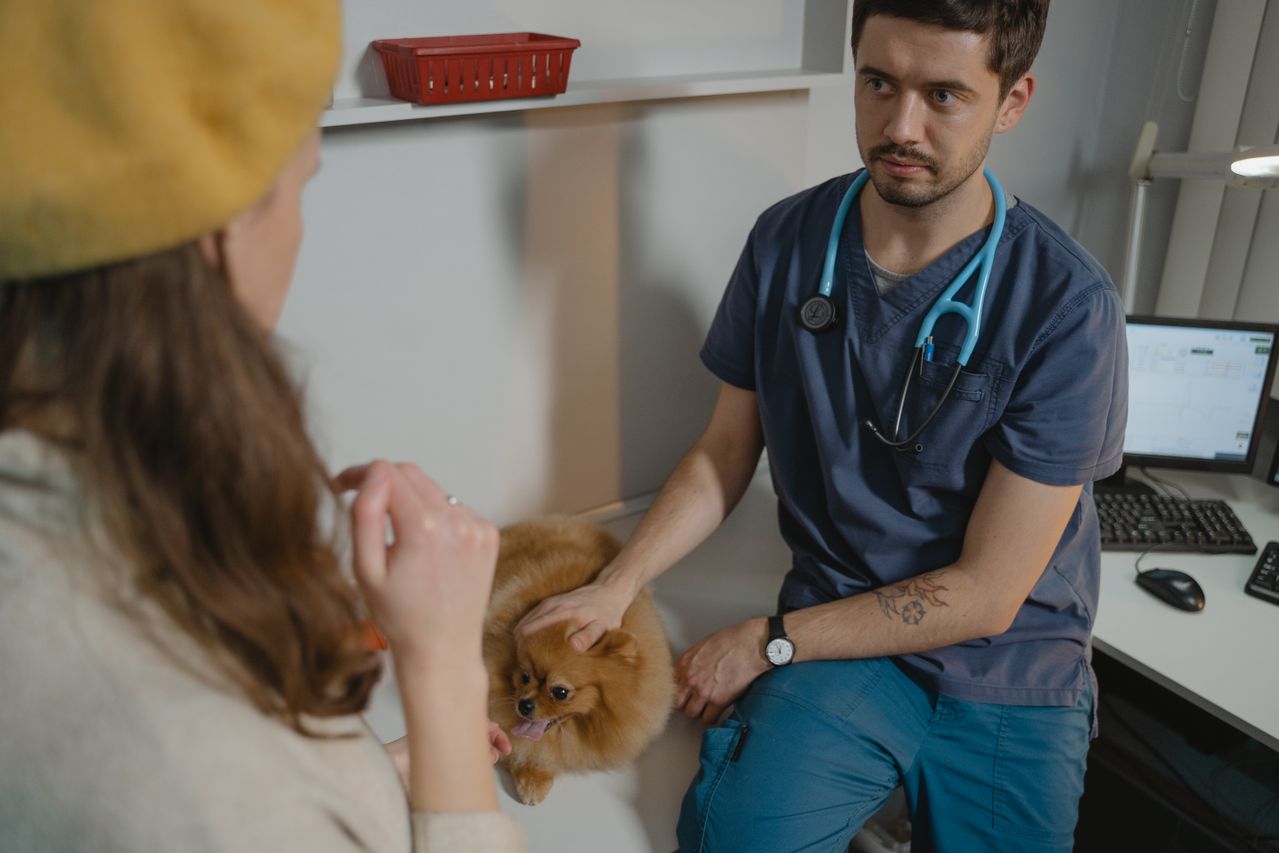
You might be here because you had one of those nights. Your dog started limping after a zoomie gone wrong, or your cat began vomiting and hiding under the bed, and your regular vet was closed. You stared at your phone, wondering whether to wait until morning to call a Pensacola veterinarian or head to the emergency hospital and brace for a long wait and a big bill. That mix of worry, guilt, and confusion is a very real place to be.
Across the country, more communities are feeling that same pressure, which is exactly why dedicated veterinary urgent care clinics are showing up in more neighborhoods. These centers are designed to fill the gap between routine daytime care and full emergency hospitals. They handle “this cannot wait days, but it is not life threatening right now” problems, and they do it in a way that is often faster, calmer, and more affordable.
So the short version is this. Pet owners are overwhelmed by limited appointment availability, crowded emergency rooms, and rising costs. Veterinary urgent care for pets has emerged as a middle path that can treat many urgent problems the same day, keep true emergencies flowing to the right place, and give you clearer choices when something goes wrong after hours.
Why does it feel so hard to get help when your pet suddenly gets sick?
Think about what usually happens when your pet needs care outside a routine checkup. Your regular vet is often fully booked for days. Many clinics still struggle with staffing and heavy caseloads. That means even if your pet is clearly uncomfortable, you might be told there are no same day appointments, or that you should go straight to a 24/7 emergency hospital.
On the other side, emergency hospitals are built for the most serious situations. Things like trouble breathing, active seizures, serious trauma, or uncontrolled bleeding must be seen right away. Emergency teams triage, which means they see the most critical patients first. If your pet is sick but stable, you may wait for hours in a crowded lobby, not because your pet is ignored, but because others might be fighting for their lives.
This puts you in a stressful bind. You know something is wrong, and you do not want to overreact, but you also fear waiting too long. You may worry about the cost of an emergency visit, or about exposing your anxious pet to a chaotic environment. That tension is exactly what has pushed communities to look for another option.
Where does veterinary urgent care fit between primary and emergency care?
To understand why dedicated veterinary urgent care clinics are opening, it helps to see how the three main types of care relate to each other. Your primary care vet handles wellness, vaccines, chronic issues, and many sick visits. Emergency hospitals focus on life threatening problems, intensive care, and advanced procedures. Urgent care sits in the middle.
Conditions like persistent vomiting or diarrhea, ear infections, minor wounds, sudden lameness, eye redness, or pain without collapse are common reasons to visit an urgent care center. These are the problems that cannot wait several days, but usually do not require a full ICU team. Many universities and veterinary teaching hospitals explain this middle ground clearly. For example, the University of Minnesota outlines how to decide between primary, urgent, or emergency care in its guidance on which level of care your pet needs.
Because urgent care focuses on that “gray zone,” the experience often feels different. Hours are extended, but not necessarily 24/7. Staff are prepared for walk ins. The goal is to stabilize, diagnose, and treat non life threatening conditions, or quickly recognize when something is more serious and coordinate transfer to an emergency hospital.
From the clinic side, this model can ease the pressure on both primary care and emergency hospitals. It gives overworked teams an outlet for cases that need timely attention but do not belong in an ICU. Some veterinary schools have even created urgent care guidelines for senior students, which shows how formal this middle tier of care is becoming.
How do urgent care clinics change the emotional and financial picture?
The emotional benefit is often the first thing pet owners notice. Instead of feeling forced to choose between “wait and worry” and “go to the ER and brace for anything,” you gain a third option that makes sense for many situations.
Imagine your dog suddenly develops a swollen, painful ear on a Sunday afternoon. You know it hurts, but she is eating and walking. At an emergency hospital, you might wait several hours because more critical cases come first. At a primary care clinic, you may not be seen until midweek. An urgent care center can usually examine your dog that same day, start pain relief, and plan follow up with your regular vet.
Financially, urgent care visits are often priced between a standard clinic visit and a full emergency fee. Costs vary by region, of course, but the structure is different. Emergency hospitals must staff overnight, maintain specialized equipment, and be ready for surgery at any time, which affects their fees. Urgent care centers usually operate extended but limited hours, focus on outpatient care, and can often keep costs more predictable.
From a medical standpoint, urgent care can also prevent small problems from becoming genuine emergencies. The Ohio State University Veterinary Medical Center highlights how recognizing early urgent signs can avoid later crisis in its overview of urgent versus emergency situations. Early treatment of dehydration, pain, or infection can spare your pet a hospital stay and you a much bigger bill.
Primary care, urgent care, or emergency care: how do they really compare?
When you are in the middle of a scare, it helps to have a simple way to think through your options. The table below offers general differences. It is not a replacement for professional advice, but it can help you make sense of why communities are embracing the animal urgent care model.
| Care Type | Typical Hours | Best For | Wait Time Experience | Relative Cost |
|---|---|---|---|---|
| Primary Care Vet Clinic | Weekdays, limited evenings | Wellness, routine visits, ongoing conditions | Scheduled appointments, limited same day slots | Usually lowest |
| Veterinary Urgent Care Clinic | Extended hours, evenings, some weekends | Non life threatening but time sensitive problems | Walk in or same day, moderate triage | Mid range |
| Emergency Animal Hospital | Often 24/7 | Life threatening emergencies and intensive care | Strict triage, critical cases seen first, possible long waits | Usually highest |
Seeing it laid out this way, it becomes clearer why communities are adding urgent care to the mix. It gives structure to that middle category of “this is serious, but my pet is still stable.” It also means that when you do walk into an emergency hospital, you know those teams are focused on the truly critical cases, which is exactly what you would want if your pet were ever in that situation.
What can you do now to be ready before the next urgent pet issue?
You cannot predict when your dog will eat something strange or your cat will suddenly strain in the litter box, but you can prepare for those moments so they feel less chaotic.
1. Map out your local care options today
Take a few minutes to list three types of resources nearby. Your primary care veterinarian, any dedicated veterinary urgent care clinics, and the nearest 24/7 emergency hospital. Note addresses, phone numbers, and typical hours. Store them in your phone and on your fridge. When something happens, you will not be scrambling to search while you are already upset.
2. Learn the red flag signs that always need emergency care
Make a short personal checklist of symptoms that should skip urgent care and go straight to an emergency hospital. Examples include trouble breathing, collapse, ongoing seizures, severe trauma, uncontrolled bleeding, or inability to urinate. Ask your regular vet which signs worry them most for your specific pet, especially if your pet has chronic heart disease, diabetes, or other known conditions.
3. Talk with your primary vet about how they coordinate with urgent care
At your next routine visit, ask your vet how they prefer to work with urgent care centers in your area. Many clinics welcome urgent care support. They may recommend specific locations that communicate well and share records. This way, if your pet ever needs evening care, your primary vet can easily pick up the thread the next day.
How should you feel about this shift toward more urgent care clinics?
If you feel frustrated that getting timely care for your pet has become harder, you are not alone. The move toward more dedicated urgent care centers is one response to that frustration. It is a sign that communities are trying to build a more flexible system, one that respects both your pet’s comfort and your need for clarity about where to go and what to expect.
You do not need to memorize every rule. You only need a basic plan. Know who your primary vet is. Know where you would go for urgent concerns. Know which hospital you would trust for true emergencies. With those pieces in place, the next time something unexpected happens, you can focus less on logistics and more on being present for your pet.
Above all, remember this. Worrying about “getting it wrong” is part of loving an animal who cannot speak. Reaching out for help, whether to your regular clinic, an urgent care center, or an emergency hospital, is never overreacting. It is you doing your best with the options your community is working hard to provide.
