

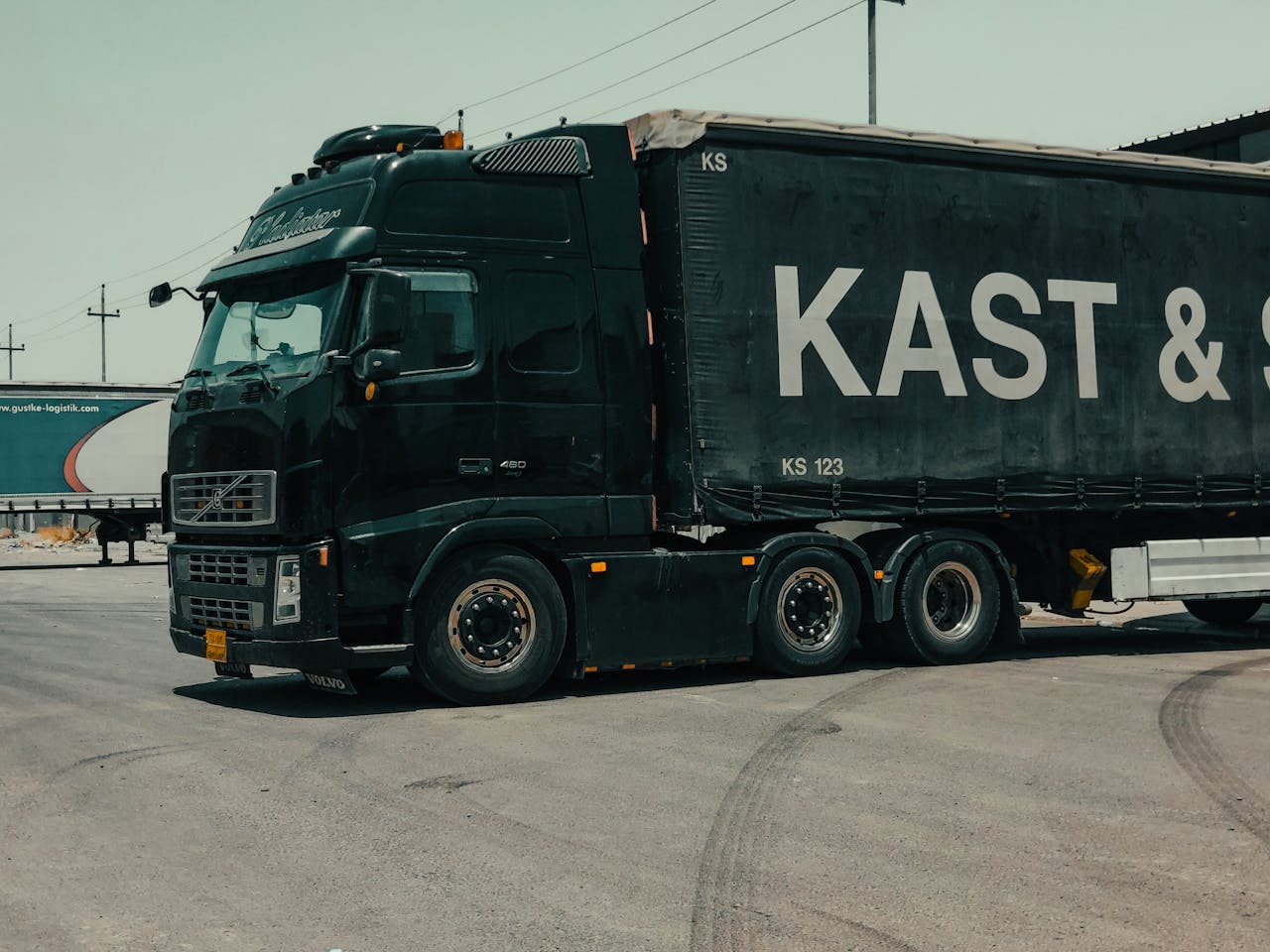
The aftermath of a collision with a massive commercial vehicle is often a period of intense confusion, physical pain, and emotional distress. Unlike a typical fender-bender between two passenger cars, a truck accident involves a level of force that can change a person’s life in an instant. Navigating the recovery process requires more than just medical attention; it demands a clear understanding of the legal landscape in South Carolina. For those who find themselves facing the daunting task of rebuilding their lives, knowing the right steps to take can make a significant difference in the ultimate outcome of their case.
When you are dealing with the complexities of a serious collision in Orangeburg, having the right resources at your disposal is essential for protecting your future. The legal team at Solomon Law SC understands the unique challenges that victims face when going up against large trucking corporations and their insurance providers. Because these cases often involve federal regulations and multiple liable parties, it is crucial to seek guidance from professionals who specialize in this specific area of personal injury law. By taking proactive steps early on, you can ensure that critical evidence is preserved and that your rights are fully represented throughout the entire legal process.
Understanding the Severity of Trucking Collisions
The sheer scale of commercial trucks, often weighing up to 80,000 pounds when fully loaded, means that any impact with a smaller vehicle is likely to be catastrophic. In South Carolina, truck accidents account for a significant portion of serious injuries and fatalities on major interstates like I-26 and local routes such as Highway 601. The physical toll on victims can include traumatic brain injuries, spinal cord damage, and multiple fractures that require months or even years of rehabilitation. Beyond the physical injuries, the financial burden of medical bills and lost wages can quickly become overwhelming for families in the Orangeburg area.
One of the primary reasons truck accidents are so dangerous is the disparity in size and weight between the vehicles involved. A standard passenger car simply cannot withstand the force of a tractor-trailer traveling at highway speeds. This often results in “underride” accidents or multi-vehicle pileups that leave victims with long-term disabilities. Understanding these risks is the first step in recognizing why these cases require a different legal approach than standard car accident claims. The investigation must go deeper into the mechanics of the truck, the actions of the driver, and the policies of the trucking company.
Common Causes of Truck Accidents in South Carolina
Identifying the cause of a truck accident is a complex process that involves looking at various factors, from driver behavior to mechanical failures. In many cases, the accident is the result of a combination of issues rather than a single mistake. Some of the most frequent causes identified in South Carolina truck accident investigations include:
| Cause of Accident | Description and Impact |
| Driver Fatigue | Truckers often work long hours, leading to exhaustion and slowed reaction times. |
| Improper Maintenance | Failing to inspect brakes, tires, and lights can lead to mechanical failure on the road. |
| Distracted Driving | Using mobile devices or navigation systems while operating a heavy vehicle. |
| Speeding | Driving too fast for road conditions, especially on congested interstates like I-26. |
| Improper Loading | Unbalanced or overloaded cargo can cause a truck to tip or lose control. |
Driver fatigue remains one of the most persistent issues in the trucking industry. Despite federal “Hours of Service” regulations designed to ensure drivers get enough rest, the pressure to meet tight delivery deadlines can lead some to push beyond their physical limits. When a driver is fatigued, their ability to make split-second decisions is compromised, which is particularly dangerous when operating a vehicle of such immense size. Investigating the driver’s logs and electronic logging device (ELD) data is often a key component of proving negligence in these cases.
The Role of Federal and State Regulations
The trucking industry is heavily regulated by both the Federal Motor Carrier Safety Administration (FMCSA) and South Carolina state laws. These regulations cover everything from how many hours a driver can be on the road to the specific maintenance schedules for the vehicles. When an accident occurs, a thorough investigation will often reveal that one or more of these regulations were violated. For example, if a trucking company failed to perform a required safety inspection, they could be held liable for any resulting mechanical failure that caused a crash.
In Orangeburg, local law enforcement and state troopers are often the first on the scene to document these violations. However, a private legal investigation is usually necessary to uncover the full extent of the negligence. This might involve hiring accident reconstruction experts or digital forensic specialists to analyze the truck’s “black box” data. This data can provide invaluable information about the truck’s speed, braking patterns, and even the duration of the trip leading up to the collision. Without this technical evidence, it can be difficult to hold a powerful trucking corporation accountable.
Who Can Be Held Liable in a Truck Accident?
One of the most complicated aspects of a truck accident claim is determining who is responsible for the damages. Unlike a typical car accident where the driver is usually the only person at fault, a truck accident can involve several different parties. This “multi-party liability” is one of the reasons why these cases are so legally intensive. Potential liable parties may include:
1.The Truck Driver: For errors such as speeding, distracted driving, or driving under the influence.
2.The Trucking Company: For negligent hiring practices, failing to train drivers, or encouraging regulation violations.
3.The Vehicle Owner: If the truck or trailer is owned by a separate entity that failed to maintain it properly.
4.The Cargo Loader: If the accident was caused by shifting or improperly secured freight.
5.The Manufacturer: If a defective part, such as a tire or brake system, contributed to the crash.
Because there are so many potential defendants, the insurance companies involved will often try to shift the blame to one another. This can lead to lengthy delays in the claims process as each party attempts to minimize their own financial exposure. Having a legal team that can navigate these conflicting interests and pinpoint the exact source of negligence is vital for the victim’s recovery.
Steps to Take Immediately After a Collision
The actions you take in the minutes and days following a truck accident can have a profound impact on your ability to recover compensation. While your health should always be the top priority, there are several steps you should take to protect your legal interests if you are physically able to do so. First, always call 911 to ensure that a formal police report is created. This report serves as an official record of the incident and often contains the officer’s initial assessment of fault.
Next, try to gather as much evidence as possible at the scene. This includes taking photographs of the vehicles, the surrounding road conditions, and any visible injuries. If there are witnesses, try to get their contact information, as their testimony can be crucial later on. It is also important to avoid making any statements to the trucking company’s insurance adjusters before speaking with a lawyer. These adjusters are trained to look for any admission of fault that can be used to reduce or deny your claim.
The Importance of Medical Documentation
In any personal injury case, medical records are the foundation of the claim. This is especially true in truck accident cases where the injuries are often severe and require long-term care. Even if you feel fine immediately after the crash, it is essential to seek a full medical evaluation. Some injuries, such as internal bleeding or traumatic brain injuries, may not show symptoms right away but can be life-threatening if left untreated.
Consistent medical treatment not only helps you recover but also creates a clear “paper trail” that links your injuries directly to the accident. If you skip appointments or fail to follow your doctor’s recommendations, the insurance company may argue that your injuries are not as serious as you claim. Be sure to keep track of all your medical expenses, including hospital bills, prescriptions, and the costs of physical therapy. These records will be used to calculate the “economic damages” portion of your settlement.
Calculating the Full Value of Your Claim
Determining how much a truck accident claim is worth is a complex process that goes beyond just adding up medical bills. A comprehensive claim should account for both the immediate financial losses and the long-term impact on your quality of life. In South Carolina, victims are entitled to seek compensation for several different types of damages. These are generally categorized into economic and non-economic damages.
| Type of Damage | Examples of Compensation |
| Economic Damages | Hospital bills, future medical costs, lost wages, loss of earning capacity, and property damage. |
| Non-Economic Damages | Pain and suffering, emotional distress, loss of enjoyment of life, and permanent disfigurement. |
| Punitive Damages | Awarded in cases of extreme negligence to punish the defendant and deter similar behavior. |
For many victims in Orangeburg, the loss of earning capacity is one of the most significant factors. If a truck accident leaves you unable to return to your previous job or requires you to work in a lower-paying field, you are entitled to compensation for that lifelong loss of income. Calculating these future losses often requires the input of vocational experts and economists who can project your earnings over the course of your remaining career.
Navigating the Insurance Claims Process
Dealing with insurance companies after a truck accident is rarely a straightforward process. Trucking companies often carry high-value insurance policies, which means the stakes are very high for the insurers. They will often deploy “rapid response teams” to the scene of an accident to begin building a defense for the trucking company. Their goal is to settle the claim as quickly and cheaply as possible, often offering a settlement that is far below the actual value of the victim’s losses.
It is important to remember that you are not required to accept the first offer from an insurance company. In fact, doing so often means giving up your right to seek further compensation if your medical condition worsens later on. A skilled legal representative can handle all communications with the insurance adjusters, ensuring that you are not pressured into a lowball settlement. They can also use the evidence gathered during the investigation to negotiate from a position of strength.
The Statute of Limitations in South Carolina
Time is a critical factor in any personal injury case. In South Carolina, the statute of limitations for filing a lawsuit after a truck accident is generally three years from the date of the collision. While three years may seem like a long time, the reality is that building a strong case takes significant effort and preparation. If you wait too long to begin the process, evidence can be lost, witnesses’ memories can fade, and you may lose your right to seek compensation entirely.
Furthermore, trucking companies are only required to keep certain records, such as driver logs, for a limited amount of time. If a legal “spoliation letter” is not sent quickly to the company, they may legally destroy evidence that could have proven their negligence. Starting the legal process early allows your team to secure this evidence before it disappears. For more information on how to protect your rights, you can visit solomonlawsc.com to learn about the specific legal protections available to accident victims in the state.
Why Local Knowledge Matters in Orangeburg
Every community has its own unique traffic patterns and high-risk areas. In Orangeburg, the intersection of major highways and local roads creates specific challenges for large trucks. A legal team that is familiar with the local courts, law enforcement agencies, and even the specific road conditions where the accident occurred can provide a distinct advantage. They understand the local jury pool and how to present a case that resonates with the people of South Carolina.
Whether the accident happened in the heart of the city or on a rural stretch of road in Orangeburg County, having a representative who knows the area can help in identifying local witnesses and gathering relevant surveillance footage from nearby businesses. This local expertise, combined with a deep understanding of national trucking laws, creates a powerful foundation for a successful claim. It ensures that no detail is overlooked and that the specific circumstances of the Orangeburg community are taken into account.
The Path to Recovery and Justice
Recovering from a truck accident is a journey that involves more than just physical healing. It is about seeking justice for the negligence that caused the harm and ensuring that you have the financial resources to move forward with your life. While no amount of money can truly compensate for the trauma of a catastrophic collision, a successful legal claim can provide the security needed to cover medical expenses and support your family during a difficult time.
The legal process can be long and challenging, but you do not have to face it alone. By partnering with experienced professionals who understand the nuances of truck accident law, you can focus on your recovery while they handle the complexities of the litigation. From the initial investigation to the final settlement negotiations, having a dedicated advocate by your side ensures that your voice is heard and that your future is protected.
Final Thoughts on Truck Accident Safety
While we cannot always prevent the negligence of others, being aware of the risks and knowing how to respond can save lives. If you are sharing the road with large commercial vehicles, always give them plenty of space, avoid their blind spots, and be mindful of their increased stopping distances. If the unthinkable does happen, remember that there are resources available to help you navigate the aftermath.
The legal system is designed to hold negligent parties accountable and provide a path to recovery for victims. By understanding your rights and the steps involved in a truck accident claim, you are better prepared to face the challenges ahead. Whether you are dealing with minor injuries or a life-altering disability, the goal remains the same: to achieve a fair and just outcome that allows you to rebuild and move forward with confidence.
