

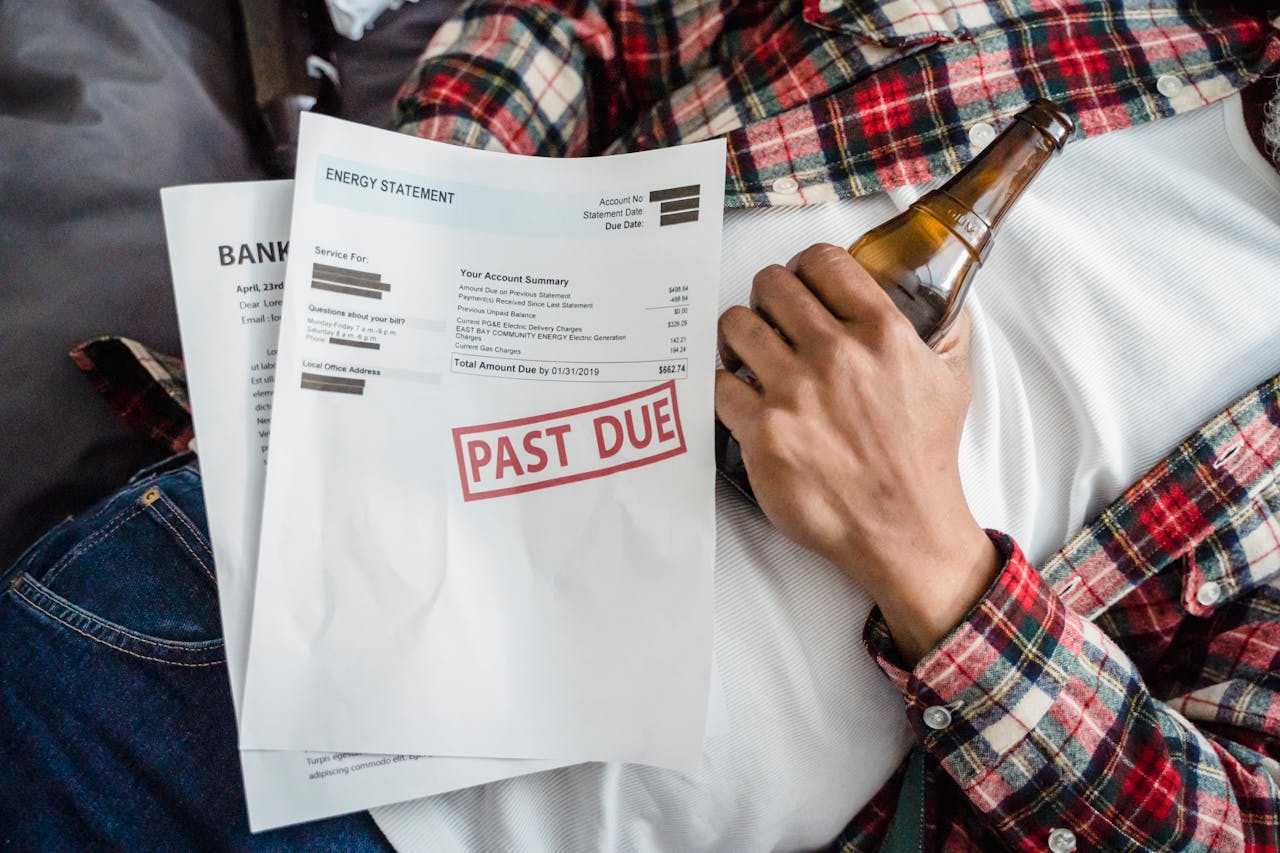
If your paycheck is being taken or your bank account is suddenly frozen, you’re probably asking one urgent question: can bankruptcy stop this right now? In many cases, yes—bankruptcy can halt wage garnishment and bank levies quickly through a powerful legal protection called the automatic stay. If you want help fast, you may be searching for a Bankruptcy Attorney Near Me to guide you through the filing and communicate with creditors the right way.
Below is a clear, practical breakdown of how bankruptcy affects wage garnishment and bank levies, how quickly relief can happen, and what to do if money has already been taken.
How Bankruptcy Can Stop Collection Actions
When you file a bankruptcy case, a federal court protection called the automatic stay typically begins immediately. The stay is a court-ordered pause that stops most collection activity, including:
- Wage garnishments
- Bank levies and account freezes
- Lawsuits and judgments (in many situations)
- Collection calls, letters, and certain enforcement actions
That “pause” is often the fastest legal tool available to stop the financial bleeding and give you breathing room.
What “Immediately” Really Means in Real Life
The automatic stay can take effect as soon as the case is filed
In most cases, the stay begins at the moment the bankruptcy petition is officially filed with the court (electronically or in person). From a legal standpoint, creditors must stop collection actions once they have notice.
Creditors may need notice to act quickly
Even though the stay begins right away, employers, banks, and debt collectors usually need confirmation. That often means:
- The creditor receives the bankruptcy case number, or
- The employer/payroll department gets formal notice, or
- The bank’s legal/compliance team is notified and processes the release
In practice, some garnishments stop within days, while others take one or two payroll cycles depending on timing and internal processing.
Can Bankruptcy Stop Wage Garnishment?
Yes, bankruptcy can stop most wage garnishments, especially those tied to credit cards, medical bills, personal loans, and many civil judgments.
How fast does it stop?
Once the case is filed and your employer receives notice, payroll typically stops withholding. If a deduction is already in progress, the timing matters:
- If the payroll was processed before notice: one more garnishment may occur.
- If notice arrives before payroll processing: it may stop right away.
What if you have multiple garnishments?
Bankruptcy can halt multiple creditor garnishments at the same time. This is often one of the biggest immediate benefits for people who feel trapped by compounding deductions.
Can Bankruptcy Stop a Bank Levy or Frozen Bank Account?
Often, yes—but bank levies have a timing issue that makes them trickier than wage garnishment.
Why bank levies move fast
A bank levy typically happens after a creditor gets a judgment and then serves levy paperwork. The bank may freeze funds and hold them for a short period before sending them to the creditor (the “turnover” process).
What bankruptcy can do
Bankruptcy can stop the levy if funds have not yet been turned over to the creditor. The automatic stay may:
- Prevent the creditor from completing the seizure
- Stop additional levy attempts
- Allow you to pursue release of the freeze (depending on the situation)
What if the money already left your account?
If the funds were already transferred to the creditor before the bankruptcy filing, it may be harder to recover. Sometimes recovery is still possible, but it depends on factors like timing, exemptions, the type of debt, and local procedures.
Chapter 7 vs. Chapter 13: Which Stops Garnishment and Levies Best?
Both Chapter 7 and Chapter 13 trigger the automatic stay, but they serve different purposes.
Chapter 7 bankruptcy
Best for: People who need a fast discharge of qualifying unsecured debts and do not have the income or need for a long repayment plan.
- Stops garnishments and many levies through the automatic stay
- Typically moves quickly compared with other options
- May not be ideal if you need to catch up on mortgage or car payments
Chapter 13 bankruptcy
Best for: People who need time to catch up on secured debts or want a structured repayment plan.
- Stops garnishments and levies through the automatic stay
- Can help manage back payments on certain obligations
- Creates a court-approved payment plan, often lasting 3–5 years
If you are behind on important payments and need a long-term strategy, Chapter 13 can offer tools that Chapter 7 does not.
Debts Bankruptcy May Not Stop (Or May Not Stop Fully)
Bankruptcy stops most consumer collection actions, but there are important exceptions.
Garnishments that may continue (or require extra steps)
Some wage withholding is not treated the same way as a regular creditor garnishment, such as:
- Child support or alimony obligations
- Certain tax-related collections
- Some government enforcement actions
Even when the automatic stay applies, special rules can limit what is paused and what is not.
What to Do If Your Wages Are Being Garnished Right Now
If you’re facing an active garnishment, speed and accuracy matter. Here are practical steps people commonly take:
1) Confirm the type of debt behind the garnishment
Knowing whether it’s a consumer judgment, tax debt, or support obligation affects what bankruptcy can do.
2) Gather key documents quickly
Helpful items include:
- Recent pay stubs showing garnishment amounts
- Court papers (judgment, garnishment order, levy notice)
- Bank statements if accounts are frozen
- Creditor contact information
3) Time the filing strategically
Because payroll and bank processing follow schedules, filing at the right moment can prevent another round of withholding or transfer.
4) Provide notice to the right parties fast
Stopping the action quickly usually requires notice going to:
- The creditor or their attorney
- Your employer’s payroll department (for wage garnishments)
- The bank’s legal/compliance department (for levies)
What to Do If Your Bank Account Is Frozen
A frozen account can interrupt rent, utilities, and everyday purchases. Consider these steps:
Identify the levy source immediately
Your bank can typically tell you who issued the levy and the case information.
Avoid moving money around in panic
Rapid transfers can create complications, especially if there are pending court actions.
Track exemption sources
Funds from certain sources may be protected under exemption laws (rules vary). Examples can include certain public benefits or protected income types, depending on your state and circumstances.
Will Bankruptcy Stop Future Garnishments and Levies Too?
In many cases, yes. Bankruptcy can:
- Stop ongoing garnishments
- Prevent new levies during the case
- Discharge qualifying debts (meaning the creditor can’t collect later)
However, if a debt isn’t discharged or falls into an exception category, you may need a different plan.
Common Questions People Have About “Immediate” Relief
“If I file today, will my next paycheck be safe?”
Often, but not always. If payroll is already processed, one more garnishment might slip through. Filing before payroll processing and giving prompt notice increases the chances of immediate results.
“If my bank account is frozen, can I get access again?”
Sometimes. If the levy hasn’t completed turnover, bankruptcy may help stop the transfer and support a release request, depending on timing and the details.
“Can creditors ignore the automatic stay?”
They are not supposed to. Once notified, creditors generally must stop covered actions. If a creditor continues collection after notice, there may be legal remedies available through the bankruptcy court.
Final Takeaway
Bankruptcy can stop wage garnishment and bank levies quickly—often the same day the case is filed—through the automatic stay. Wage garnishments are usually more straightforward to halt, while bank levies depend heavily on timing and whether funds have already been transferred. The best results typically come from acting quickly, filing correctly, and notifying the right parties immediately.
If you’re dealing with an urgent garnishment or frozen account, focusing on timing, documentation, and a clear filing strategy can make the difference between “eventual relief” and real, immediate protection.
