

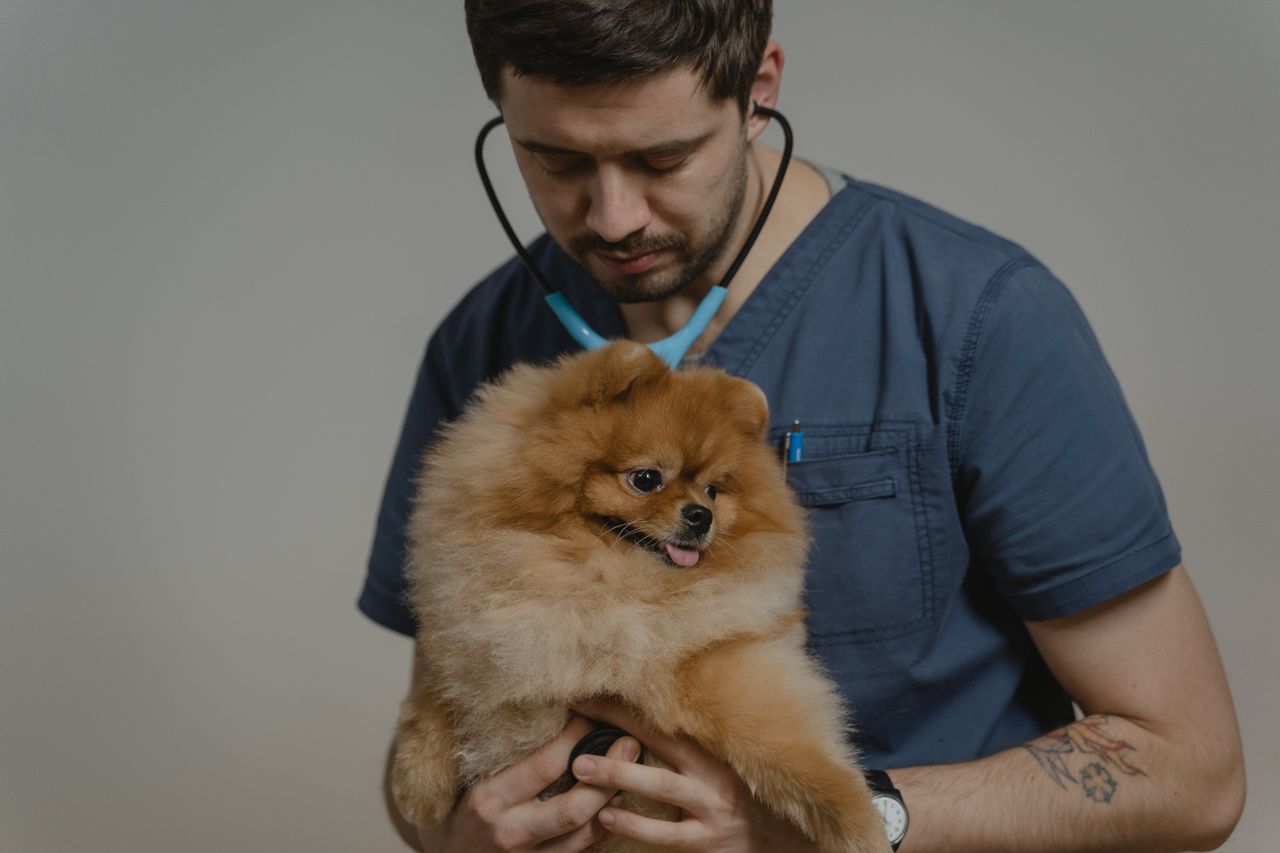
You might be reading this with one eye on your pet, watching every breath, every small movement, wondering if you are overreacting or if you should already be in the car on your way to a Midlothian, VA veterinarian. It often starts with something small. A limp that gets worse, vomiting that will not stop, a sudden collapse, or a strange look in your pet’s eyes that makes your stomach drop. Before that moment, life felt normal. After it, everything feels urgent and a little unreal.end
If you are considering a visit to pet urgent care, you are probably scared, tired, and worried about making the right call. You are not alone in that. Many pet owners sit on the fence for a while, afraid of missing something serious, yet also afraid of a huge bill or of being told it was “nothing.” The truth is that urgent care is designed exactly for these moments of uncertainty. You can expect fast triage, clear communication, and focused care to stabilize your pet and guide your next steps.
Here is the short version of what follows. An urgent care visit usually starts with a quick triage, then a more detailed exam, a discussion of tests and costs, treatment to stabilize your pet, and finally a clear plan for what happens after you go home or transfer to another service. Knowing this structure ahead of time can ease some of the fear and help you focus on your pet instead of getting lost in the process.
Why does going to animal urgent care feel so overwhelming?
The hardest part is often the decision to go. You might be thinking, “What if I wait and it gets worse?” and at the same time, “What if I rush in and it turns out to be minor, and I spend money I do not really have?” That tug of war is emotionally exhausting, especially when your pet cannot tell you how bad it feels.
Imagine this. Your dog suddenly starts vomiting at night. At first it seems mild, then the vomiting continues, and now your dog looks tired and is not interested in water. You start searching online, which only makes you more anxious. Some results say to watch and wait, others mention life threatening problems. You call your regular vet, but the office is closed. This is exactly the space where animal urgent care fits. It bridges the gap between “wait until morning” and “full emergency crisis.”
The emotional strain is only part of it. There is also the financial worry. You may not know what urgent care will cost, or which tests are truly needed. You might worry about being pressured into things or not understanding your options. That fear can cause people to delay care, which sometimes makes problems harder and more expensive to treat later.
So where does that leave you when you finally decide to walk through the door?
What actually happens during those first few minutes at pet urgent care?
The first thing you can expect is triage. Staff will usually ask what is going on, how long it has been happening, and how your pet looks right now. They are not trying to be nosy. They are quickly sorting out who needs help first. A pet that is struggling to breathe or unresponsive will be taken straight to the treatment area. A pet that is alert but limping may wait a little longer while more serious cases are stabilized.
At many hospitals, such as those with dedicated emergency and critical care teams, triage is a structured process. For example, the Cornell University Hospital for Animals emergency and critical care service explains how pets are assessed and prioritized by urgency. This means that if your pet is not seen “immediately,” it does not mean they are being ignored. It usually means the team has determined that your pet is stable enough to wait safely while another animal is in crisis.
Once your pet is checked in and triaged, you can expect a focused exam. The veterinarian will listen to your concerns, examine your pet from nose to tail, and then talk with you about what they think is going on, along with what they still need to rule out. Because of this, you might hear several possible diagnoses at first, rather than one clear answer. That is normal in urgent care, where the priority is to quickly identify and manage anything that could be dangerous.
How will tests, treatment, and costs be handled during an urgent visit?
After the initial exam, the veterinarian will usually recommend certain tests. These might include blood work, X rays, ultrasound, or other targeted diagnostics. The goal is not to “run everything.” The goal is to gather just enough information to decide how sick your pet is, whether they can go home, and what treatment they need.
Good urgent care teams explain what each test is for, what it might change about the plan, and how much it costs. Many hospitals, including university based small animal emergency services, share “what to expect” guidance in advance so owners are not completely surprised. For instance, the Oregon State University small animal emergency and critical care service outlines how they triage, discuss options, and provide estimates before moving forward.
Treatment in urgent care focuses on stabilizing your pet. That might mean fluids for dehydration, pain relief, oxygen, wound care, or medications to control vomiting or seizures. In some cases your pet may need to be hospitalized for monitoring. In others, they can go home with clear instructions and a follow up plan with your regular veterinarian.
This is where the financial and emotional pieces come together. You may face choices, such as a basic plan that addresses the most urgent needs, an intermediate plan that includes more testing, or a full workup. The right choice depends on your pet’s condition, your resources, and your comfort level with uncertainty.
How does urgent care compare to waiting or going straight to full emergency?
It can help to see the differences laid out clearly. Here is a simple comparison that many owners find useful when thinking about Animal Urgent Care versus other options.
| Option | When it is typically used | Pros | Cons |
|---|---|---|---|
| Home monitoring / wait and see | Mild signs that are not getting worse, such as a single episode of soft stool, small cut, or slight limp | No immediate cost. Pet stays in a familiar environment. Time for minor issues to resolve on their own. | Risk of missing early signs of serious illness. Condition can worsen overnight or when regular vet is closed. |
| Urgent care visit | Concerning but not clearly life threatening signs, such as repeated vomiting, moderate pain, labored breathing that is new, sudden lethargy, or worsening limp | Rapid triage and focused care. Access to diagnostics and treatment. Clear guidance on whether hospitalization or specialist care is needed. | Higher cost than a routine visit. Possible wait times based on severity. May still need follow up or referral. |
| Full emergency / critical care | Obvious crisis, such as collapse, seizures, severe trauma, uncontrolled bleeding, or severe breathing problems | Highest level of monitoring and support. Access to advanced equipment and intensive care. | Often the most expensive option. Emotionally intense environment. Not every pet needs this level of care. |
Seeing these options side by side can calm some of that “all or nothing” thinking. Urgent care is not about overreacting. It is about getting timely help when something feels wrong and you do not want to gamble with your pet’s health.
What are the 5 key things you can expect from a visit to pet urgent care?
To bring it all together, here are the five main pieces most owners experience during an urgent visit, whether it is called emergency, urgent, or after hours care.
1. Quick triage and prioritization
Your pet will be assessed as soon as possible so the team can decide how urgent the situation is. Life threatening problems are treated immediately. More stable pets may wait a bit longer, though staff will usually recheck them if the wait is extended.
2. Focused exam and clear questions
The veterinarian will examine your pet and ask specific questions about what you have noticed at home. Things like when the problem started, how it has changed, any medications or toxins your pet could have reached, and behavior changes. Your answers guide which diagnoses are most likely.
3. A discussion of tests and an estimate
You can expect a conversation about recommended tests, why they matter, and what they cost. You should be offered an estimate before major diagnostics or treatments. This is your chance to ask what is essential now and what might be optional.
4. Stabilizing treatment and monitoring
If your pet is in pain, struggling to breathe, dehydrated, or in shock, the team will move quickly to stabilize them. This might start even before all the test results are back. The goal is to keep your pet safe and as comfortable as possible while the team figures out the cause.
5. A clear plan for what happens next
Before you leave, you should receive written instructions and a spoken summary. This usually includes medications, warning signs to watch for, and who to contact if things change. If your pet needs ongoing care, the team will explain whether they should stay in the hospital, see a specialist, or follow up with your regular veterinarian.
What can you do right now to feel more prepared?
Step 1: Trust your gut and act on concerning changes
You know your pet’s normal behavior. If something feels “off” in a way that worries you, especially if your pet is in pain, breathing hard, or not responding normally, call an urgent care or emergency clinic. It is better to ask and be reassured than to wait on something serious.
Step 2: Gather key information before you go
If you can do so safely, bring a list of any medications your pet takes, known allergies, and any recent illnesses or injuries. If your pet may have eaten something toxic, take a photo of the package. Short videos of your pet’s behavior at home, such as a seizure or odd breathing pattern, can also be very helpful.
Step 3: Ask direct questions during the visit
You are allowed to ask for clarity. Questions like “What are the main things you are worried about?”, “Which test is most important right now?”, and “What are my options if I cannot do everything today?” can make the process feel more manageable and give you a sense of control during urgent veterinary care.
Finding steady ground in a frightening moment
A visit to pet urgent care is rarely on anyone’s calendar. It usually comes with fear, interrupted plans, and a sense that things are spinning. Yet within that chaos, there is structure. Triage, exam, testing when needed, treatment, and a clear plan forward. When you know what to expect, you can walk through the door a little more ready to ask questions and to advocate for your pet.
You do not have to be certain that something is “an emergency” before you reach out. If you are worried, that is enough reason to call an urgent care or emergency clinic and describe what you are seeing. The team can guide you on whether your pet should be seen right away, watched at home, or scheduled with your regular veterinarian.
Your pet depends on you, and you are already doing the most important thing. You are paying attention and looking for help. That is a strong place to start.
