

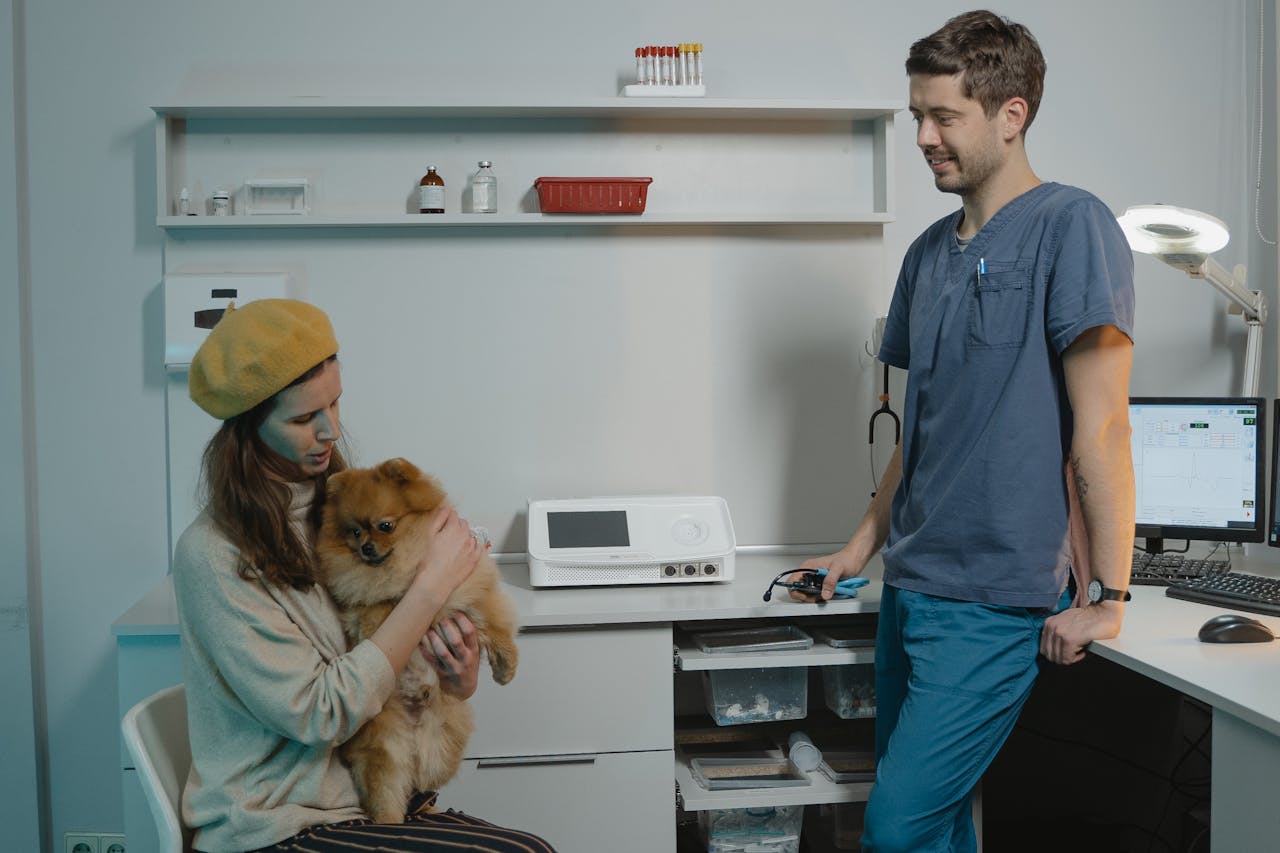
You trust your pet to the clinic staff during hard moments. You expect skill and calm care. You also need kindness. This mix does not happen by chance. It comes from steady training that shapes how teams think, speak, and act with every animal and every family. In this blog, you see how clinics build that training step by step. You learn how they teach body language, gentle handling, and clear talk with worried owners. You also see how they guide staff through grief, fear, and tough choices without losing patience. Whether you visit a large hospital or a small animal clinic in Strathroy, ON, the same core habits matter. Clear routines. Shared values. Real practice. These pieces protect your pet and support you during stressful visits. When you know how clinics train staff, you can ask better questions and choose care that respects both you and your pet.
Core training every staff member receives
Strong training starts on day one. It continues for as long as a person works in the clinic. You should see three basic parts.
- Clear skills for handling and treatment
- Strong habits for kind talk with owners
- Support for staff who face stress and loss
Many clinics use guidance from groups such as the American Veterinary Medical Association. You can read about standard care steps in their client education pages at https://www.avma.org/. These sources help clinics build training that keeps animals safe and keeps owners informed.
Reading animal body language
Staff learn to read small signs in how an animal stands, moves, or looks. This training lowers fear and pain for your pet. It also protects staff from bites or scratches.
New staff often practice with videos and live coaching. They look for three key cues.
- Comfort such as loose muscles and easy breathing
- Fear such as tucked tail, pinned ears, or shaking
- Rising threat such as stiff legs, hard stare, or growl
Trainers pause work and talk through what each cue means. Then the staff learns what to do next. They might slow down, change how they touch the animal, or give the pet time to rest. This quick response lowers stress for your pet during exams, shots, and blood draws.
Gentle handling and low stress visits
Clinics teach handling that tries to prevent fear instead of reacting to it. Many follow low-stress methods similar to those described by veterinary schools such as Colorado State University at https://csuveterinaryhealth.org/.
Staff practice three things again and again.
- Slow, steady movements
- Firm but gentle holds that support the body
- Use of treats, toys, or breaks during care
During training, staff often role-play. One person acts as the owner. One acts as the handler. One acts as the animal and gives feedback on what feels calm or rough. This simple exercise builds awareness and respect for your pet’s comfort.
Talking with worried owners
Compassionate care always includes you. Clinics train staff to speak in plain words and to listen with focus. They practice three key habits.
- Explain what will happen before touching the animal
- Use simple words for tests, medicines, and risks
- Repeat key points and check that you understand
Staff often rehearse hard talks. They practice telling an owner that a pet needs surgery, has a long-term illness, or may not recover. Trainers coach them to pause, let silence stand, and use clear but gentle words. This helps you feel heard during very raw moments.
Supporting animals and families through pain and loss
Clinic teams often face grief. Your grief. Their own grief. Strong training helps them stand with you without shutting down.
Many clinics hold short sessions on compassion fatigue and stress. Staff learn how ongoing loss can drain a person. They also learn simple steps.
- Take short breaks after emotional appointments
- Use peer support or staff huddles
- Watch for signs of burnout and ask for help early
This support keeps staff steady. Then they can sit with you during end-of-life talks, explain options, and give you time for goodbye. You feel less alone. Your pet receives calm care to the last moment.
Ongoing education and skill checks
Training does not stop after the first year. Clinics often set yearly goals for both medical skill and compassion skill. They may hold monthly drills, lunch talks, or online courses.
Common topics include three themes.
- New pain control methods
- Safer restraint options
- Better ways to include owners in decisions
Leaders watch how staff use these skills during real visits. They give quick feedback. They also invite staff to share what went well or what felt rough. This open talk builds trust and keeps care focused on your pet and your family.
What you can expect during a visit
Every clinic is different. Still, you can expect certain training-based habits when you walk in with your pet.
- Staff greet you and your pet by name
- They explain wait times and next steps
- They handle your pet with steady hands and calm voices
You should feel safe to ask questions. Trained staff welcome your questions. They know that clear answers lower fear for you and for your pet.
Sample training focus in two clinics
| Training focus | Large urban clinic | Small community clinic |
|---|---|---|
| Staff size | Many veterinarians and technicians | One or two veterinarians, small support team |
| Training style | Formal classes and scheduled drills | One-on-one mentoring and short daily talks |
| Client contact | Separate staff for front desk and exam rooms | Same staff greet you, assist in exam, and follow up |
| Compassion focus | Structured grief support resources | Long-term relationships and personal follow-up calls |
| Common goal | Reduce fear and pain for each animal | Reduce fear and pain for each animal |
The setting may change. The core remains steady. Staff need clear training, real practice, and support for their own stress. You need calm, honest care for your pet.
How you can support compassionate training
You also play a part. You can ask how the clinic trains new staff. You can share what helps your pet feel calm. You can give clear feedback after visits.
Three simple steps help.
- Tell staff about your pet’s fears, such as nail trims or other dogs
- Bring familiar items such as a blanket or toy
- Speak up if something feels rough or rushed
When you choose a clinic that invests in strong training, you protect your pet and your own peace of mind. You gain a team that knows how to treat bodies and hearts at the same time. That is compassionate pet care.
