

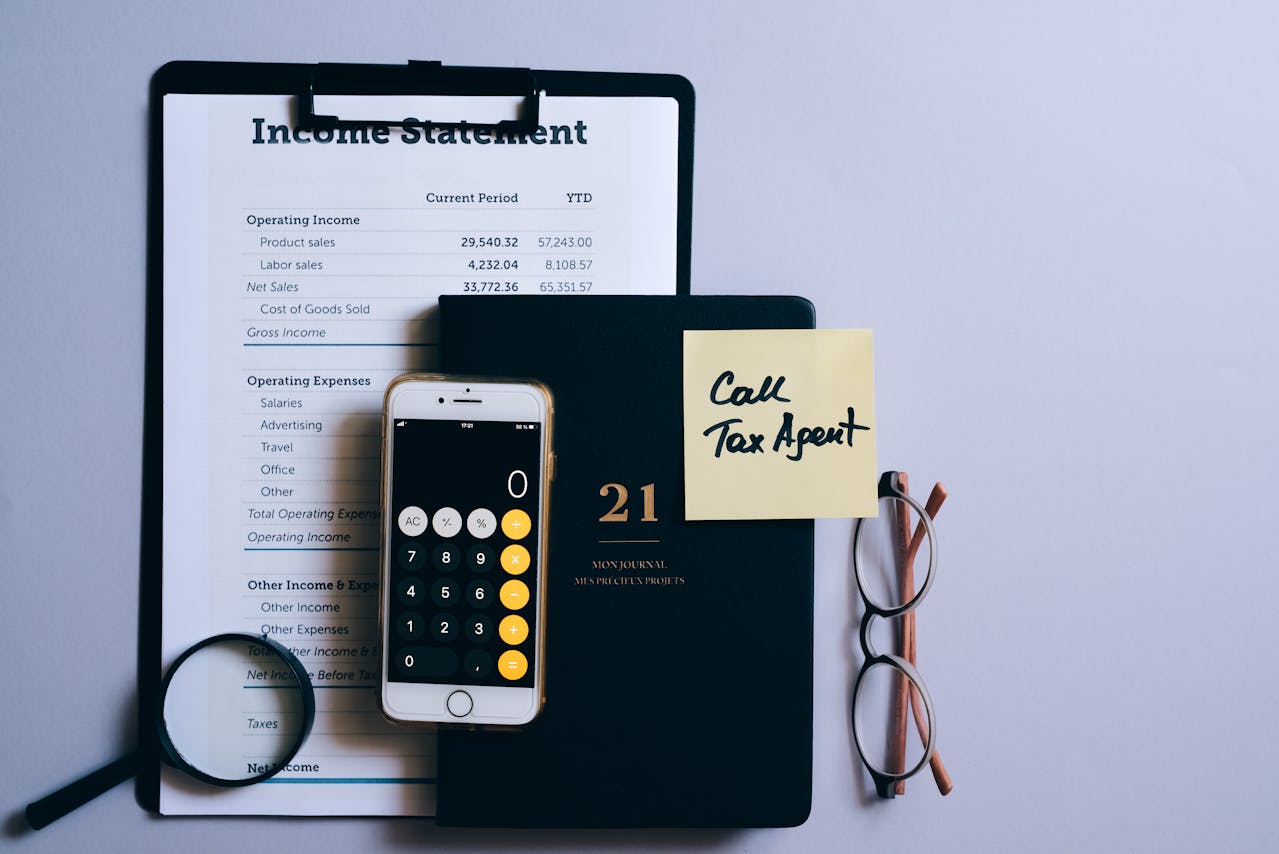
Long term financial planning can feel heavy. You carry questions about retirement, debt, and taxes, and you want clear answers that protect your money. A tax accountant gives you that structure. You gain a guide who studies tax law all year and uses it to support your goals. You also gain someone who spots risks before they grow. Careful tax planning affects every major choice. It shapes when you retire, how you use benefits at work, and what you leave to family. It also affects how secure you feel during hard times. Some people search for help only in April. That is a mistake. Steady guidance during the year gives you better options and fewer shocks. This is true whether you manage a small business, live on a salary, or use tax services in The Woodlands. You deserve a plan that protects you over decades, not months.
Why long term tax planning matters
Taxes touch almost every money choice. You feel the impact when you:
- Earn a paycheck or run a business
- Save for retirement or college
- Buy or sell a home
- Support family through gifts or inheritances
Each choice has tax rules. Some rules help you keep more. Other rules raise your bill. Without a plan, you react. With a plan, you act early and protect your future self.
The Internal Revenue Service explains how tax credits and deductions reduce tax, not income. A tax accountant uses these same rules with a long view. You see how one move today can change your tax picture for ten years.
How a tax accountant supports your goals
A tax accountant focuses on three core tasks that support long-term planning.
- Reduce your lifetime tax bill
- Lower risk of penalties and audits
- Align tax choices with your life goals
First, you gain help choosing the right accounts. You see clear tradeoffs between a traditional IRA, a Roth IRA, and a workplace plan. You also learn how much to save, when to convert, and how to handle required withdrawals.
Second, you gain help with timing. The same move can be smart in one year and harmful in another. A tax accountant looks at your income pattern and plans actions across several years. You avoid sudden jumps into higher brackets.
Third, you gain help with records. Clean records cut stress. They also protect you if the IRS asks questions. Your accountant helps you track receipts, business costs, and donation proof in simple steps.
Support for different life stages
Tax planning needs to change as your life shifts. A tax accountant adjusts your plan instead of starting over each year.
- Early career. You focus on student loans, first savings, and job benefits.
- Raising a family. You manage child credits, childcare costs, and college savings.
- Peak earnings. You face higher tax brackets and complex benefits.
- Retirement. You plan withdrawals, Social Security, and health costs.
The Consumer Financial Protection Bureau offers plain language help on saving and retirement choices at the retirement planning resource center. A tax accountant works beside these tools and shapes the tax side for your exact income, debts, and family needs.
Common do it yourself risks
Many people handle taxes on their own. Simple returns can work that way. Yet long-term planning raises risks when you guess. Common problems include:
- Missing credits and deductions
- Choosing the wrong filing status
- Ignoring self employment tax
- Triggering higher tax on Social Security
- Paying penalties for early withdrawals
Each mistake may look small in one year. Over twenty or thirty years, the loss grows. A tax accountant aims to stop these slow leaks. You protect savings you already worked hard to build.
Tax software compared to a tax accountant
Tax software can help with forms. A tax accountant helps with strategy. The table below shows key differences.
| Feature | Tax Software | Tax Accountant |
|---|---|---|
| Focus | One year filing | Many years planning |
| Guidance | Standard prompts | Personal advice |
| Life changes | Limited support | Ongoing plan updates |
| Business needs | Basic forms | Entity choice and growth planning |
| Audit support | Often separate service | Direct help with notices |
| Cost view | Low yearly fee | Higher fee, larger long-term savings |
You may still use software for simple tasks. Yet for complex lives, a tax accountant looks beyond the current form and guards your long-term picture.
Small business and self employed needs
If you run a small business or side work, your tax picture grows more complex. You must track income, costs, payroll, and sometimes sales tax. You also must set aside money for quarterly payments.
A tax accountant helps you:
- Choose the right business structure
- Separate personal and business costs
- Claim home office and vehicle costs correctly
- Plan for retirement with business accounts
These steps protect both your business and your household. You cut the risk that one tax issue harms your family savings.
Choosing a tax accountant who fits your needs
You have the right to ask sharp questions when you look for help. You can ask:
- What types of clients do you serve most often
- How do you charge for work
- How often will we meet during the year
- Do you offer support if the IRS sends a notice
You can also ask about training and credentials. Some people seek a Certified Public Accountant or an Enrolled Agent. The goal is simple. You want someone who understands your life and speaks clearly without pressure.
Building peace of mind for your family
Long-term tax planning is not about chasing every rule. It is about steady control. You lower surprise bills. You protect retirement income. You leave clearer support for the people you love.
A tax accountant stands between you and confusion. You gain a partner who watches the rules, tests options, and helps you choose steady steps. You keep more of what you earn and pass on a stronger base to your family.
