

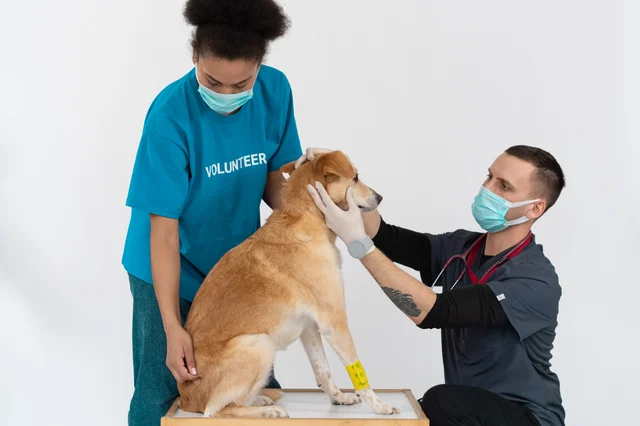
You might be watching your pet move a little slower, hesitate on the stairs, or flinch when you touch a certain spot, and a quiet worry has started to grow. Maybe your dog used to sprint to the door and now just lifts their head. Maybe your cat is hiding more, grooming less, and you have a gut feeling something is not right, even if they still eat and drink. An animal hospital in Bartlett can help you find out what’s going on and what your pet needs to feel more comfortable.
That shift from “something seems off” to “I think my pet might be in pain” can be scary. You may feel guilty for not noticing sooner, or torn between not wanting to overreact and being afraid of missing something serious. On top of that, there is the fear of cost, of medical jargon, and of seeing your pet stressed at the vet.
Here is the short version of what you need to know. Pain in animals is common, it is often under recognized, and it is very treatable. Animal hospitals and veterinary pain management services exist to find that pain, measure it as clearly as possible, and ease it in safe and thoughtful ways. Your job is not to have all the answers. Your job is to notice changes and ask for help. The right hospital team can guide the rest.
Why does pain in pets feel so confusing and hard to read?
Pain in animals is complicated. Your dog or cat cannot say “my knee aches when I stand up” or “my tooth throbs at night.” Instead, they change how they move, how they sleep, and how they interact with you. That makes it easy to shrug things off as “just getting old” or “being stubborn,” especially when life is busy and you are already stretched thin.
This is where the stress grows. You might think, “What if this is arthritis and I am ignoring it” or “What if this is cancer and I am losing time.” At the same time, you might worry about money, anesthesia, or long treatment plans. Because of this tension, you might wonder whether going to an animal hospital will really help or just create more questions.
Modern veterinary pain control is much more advanced than many people realize. The American Animal Hospital Association has detailed pain management guidelines for dogs and cats that many hospitals follow. These guidelines recognize that pain is both physical and emotional. They encourage teams to use medication, physical therapy, lifestyle changes, and even environmental adjustments at home to give pets comfort and dignity at every stage of life.
So what exactly does an animal hospital do for a pet in pain?
Think of the hospital as both detective and coach. First, they work to uncover the source of the pain. Then they help you build a plan that fits your pet and your life.
The “detective” work usually starts with careful questions about behavior. Has your dog stopped jumping into the car. Does your cat struggle with the litter box. Are there new accidents in the house. The veterinarian will watch how your pet walks, stands, and reacts to gentle touch. They may recommend X rays, bloodwork, or other tests to check joints, organs, or nerves.
Some animal hospitals have dedicated anesthesia and pain medicine services. For example, the veterinary hospital at Cornell describes how its anesthesia and pain medicine team assesses each animal before surgery and tailors a specific pain plan. There are also specialized comparative pain services, like those shared through Cornell’s clinical pain services resources, that focus on complex or long term pain cases.
Once the cause is clearer, the “coach” role begins. The hospital team talks through options. This might include anti inflammatory drugs, nerve pain medications, joint injections, laser therapy, weight management, or simple changes like softer bedding or non slip rugs. In more advanced centers, such as a veterinary teaching hospital like the one at Washington State University described here, you may also see rehabilitation, acupuncture, or advanced imaging, all under one roof.
So where does that leave you. It leaves you with choices. You do not have to say yes to everything. You do not have to solve every problem in a single visit. You can work with the hospital to build a plan that respects both your pet’s needs and your limits.
Should you manage your pet’s pain at home or lean on an animal hospital?
Many people try to “wait and see” or use home remedies first. Sometimes that is harmless. Sometimes it delays care and makes things harder. It can help to compare what is realistic at home with what an animal hospital can provide for pet pain relief.
| Approach | What it looks like | Benefits | Risks or limits |
|---|---|---|---|
| Home only care | Rest, gentle massage, soft bedding, ramps, watching and waiting | Low cost. Less stress for very anxious pets. Helpful for mild, short term soreness. | Cause of pain may be missed. Human pain meds can be toxic to pets. Chronic pain often worsens quietly over time. |
| Single vet visit with basic meds | Exam, maybe X rays, short trial of pain medication | Professional diagnosis. Safer drugs and dosing. Can quickly improve comfort. | Follow up is essential. Without rechecks or adjustments, some pets stay under treated. |
| Ongoing hospital based pain management | Regular exams, tailored medication plans, possible rehab or advanced therapies | Best control of chronic pain. Adjustments as your pet and condition change. Support for you as caregiver. | Higher cost over time. Requires scheduling and transport. Some pets need anxiety support for visits. |
When you see it laid out this way, you can decide where your situation fits. A minor limp after a long hike may respond to rest and a quick vet check. Long term stiffness every morning or a cat that has slowly stopped jumping often calls for a more structured hospital based plan.
What can you do right now to help your pet in pain?
1. Start a simple “pain diary” before you visit an animal hospital
For one week, jot down what you see. When does your pet seem most uncomfortable. Morning or night. After play or at rest. Are there changes in appetite, sleep, grooming, or social behavior. Bring this to the hospital visit. It gives the veterinary team a clearer picture and can save time and money on guesswork.
2. Ask specific questions about pain control options and monitoring
When you are at the animal hospital, it is easy to feel rushed or overwhelmed. Plan a few questions ahead. For example. “How will we know if this pain plan is working.” “What side effects should I watch for at home.” “If the medication is not enough, what is our next step.” This turns a vague fear into a shared plan. It also signals to the team that you care deeply about pain relief, which encourages more detailed guidance.
3. Make small, low cost changes at home that support the medical plan
Even the best animal hospital pain strategy needs support at home. Simple changes can make a big difference. Use rugs or yoga mats on slippery floors. Raise food and water bowls for large dogs with neck or back pain. Offer a low sided litter box for older cats. Keep nails trimmed to improve traction. Follow medication schedules closely, and use a chart or phone reminders if you are juggling many tasks.
Finding hope when your pet hurts
Living with a pet in pain can feel heavy. You might worry you are missing something, or that you waited too long, or that you will not be able to afford what your pet needs. Those are very human fears. You are not alone in them.
The good news is that you do not have to walk this path by yourself. Modern pain management for pets is kinder and more thoughtful than it has ever been, and animal hospitals are built to share that work with you. Your job is simply to notice, to ask, and to stay open to a plan that can be adjusted as you go.
Your pet does not need perfection. They need relief, safety, and your continued presence. Reaching out to an animal hospital for pain support is not a sign of failure. It is an act of care that can give them more good days, and give you more time to enjoy them.
