

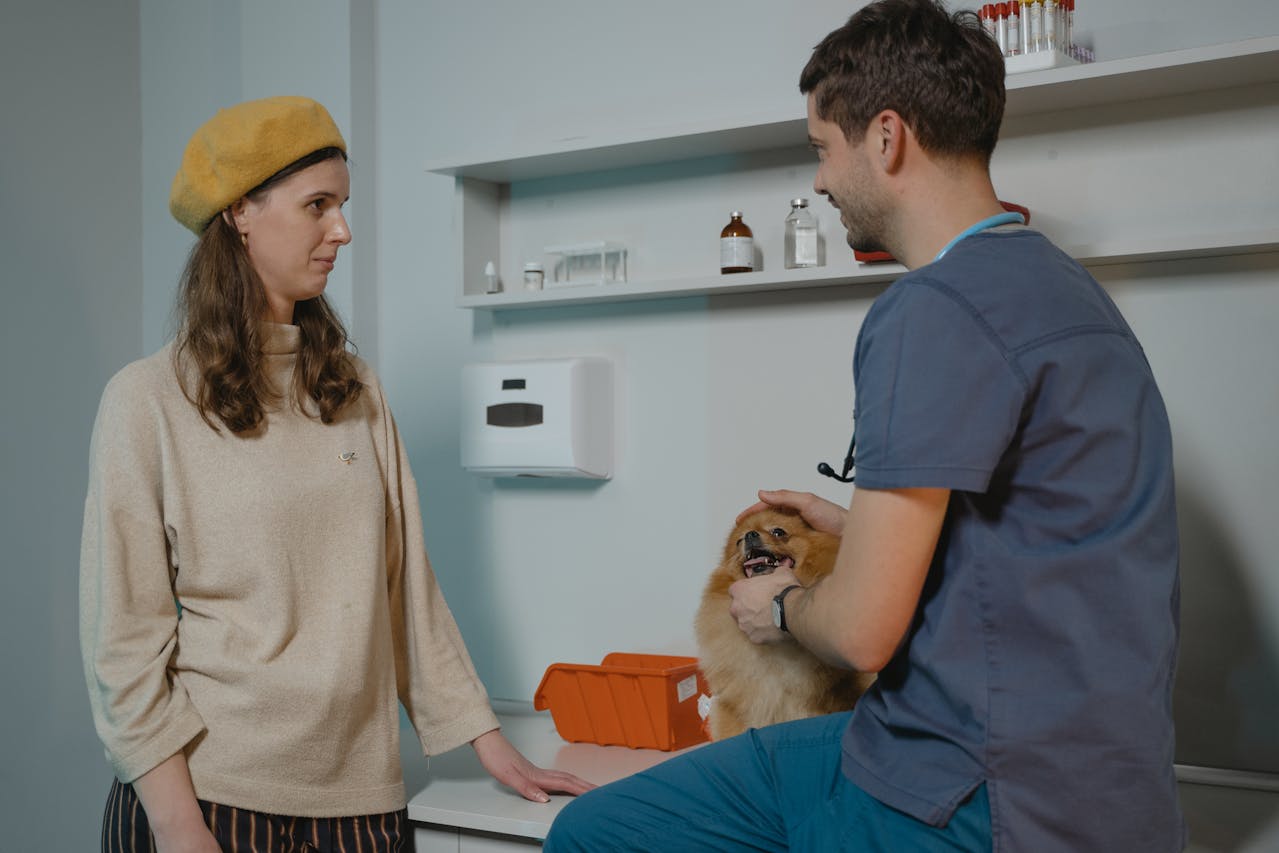
Your dog or cat cannot explain pain, confusion, or fear with words. You see the small changes first. A skipped meal. A new limp. A quiet stare in the corner. These moments can stir worry and guilt. You may wonder if you are overreacting. You may fear waiting too long. This guide helps you see four clear signs your pet needs an animal clinic visit. You learn what to watch, what not to ignore, and when to call a trusted Dothan animal clinic. You also learn how to act fast without panic. Early care can stop slow damage. It can ease pain you cannot see. It can also protect your home from bites or scratches caused by hidden illness. Your pet depends on you. You do not need guesses. You need clear steps and simple signs you can trust.
Sign 1: Sudden Changes In Eating Or Drinking
Strong shifts in hunger or thirst can signal illness. You see your pet every day. You know what is normal. Use that to your advantage.
Call a clinic if you notice:
- No interest in food for 24 hours
- Refusal of favorite treats
- Drinking far more or far less than usual
- Drooling during meals
- Struggling to chew or swallow
Loss of hunger can come from infection, kidney trouble, mouth pain, or stress. Extra thirst can point to diabetes or kidney disease. These problems grow quietly. You may see only small clues at first.
You can track food and water in a small notebook. You can also use a phone note. Simple counts over three days can help the clinic find the cause faster.
The U.S. Food and Drug Administration explains that changes in eating patterns often appear early in the disease. You do not need to wait for weight loss or vomiting. Early action gives your pet a stronger chance for steady health.
Sign 2: New Lameness Or Trouble Moving
A new limp is never normal. Even a slight hitch in the step means pain or strain. Pets hide pain to survive. You may see only a hint.
Watch for:
- Limping that lasts more than one day
- Refusal to jump on the couch or into the car
- Stiffness after rest that does not ease
- Crying or growling when touched
- Dragging toes or crossing legs when walking
These signs can come from joint disease, torn ligaments, nail injuries, or nerve damage. Quick care can prevent long term harm. It can also reduce the chance of falls or bites from pain.
You can help the clinic by noting:
- When you first saw the limp
- What your pet was doing before it started
- Whether it gets worse after play or rest
The American Veterinary Medical Association shares that even young pets can have joint pain. Do not wait and hope it passes. Pain that lasts needs a clinic visit.
Sign 3: Changes In Toilet Habits Or Accidents
Toilet changes often feel awkward to face. You may feel shame when a house-trained pet has accidents. Release that shame. Fear of mess can block quick care.
Call your clinic if you see:
- Straining to pee or poop
- Crying in the litter box or yard
- Blood in urine or stool
- Small drips of urine in sleep
- Many failed trips to the box or door
In cats, trouble peeing can be an emergency. A blocked urethra can threaten life within hours. In dogs, accidents can signal infection, bladder stones, or hormone changes.
Use this simple guide for urgency.
| Sign | How Fast To Call | Possible Concern |
|---|---|---|
| Straining with no urine for male cat | Right away | Possible urinary blockage |
| Blood in urine for dog or cat | Same day | Bladder infection or stones |
| Soft stool for one day, acting normal | Call if it lasts more than 24 hours | Mild gut upset |
| Diarrhea with vomiting or no energy | Right away | Dehydration or infection |
You can collect a small fresh stool sample in a clean bag before the visit. That simple step can save time and extra trips.
Sign 4: Sudden Behavior Or Mood Shifts
Behavior changes can feel personal. You may think your pet is angry or stubborn. Often, your pet is in pain or feeling sick.
Watch for:
- Hiding more than usual
- Snapping or hissing when touched
- Restless pacing at night
- Clinginess in a pet who liked space
- New fear of stairs, car rides, or touch
These shifts can link to pain, hormone changes, brain disease, or loss of sight or hearing. They can also come from stress in the home. A clinic can rule out medical causes first. Then you can work on behavior with less doubt.
Before your visit, write three short notes.
- When you first saw the change
- What was happening in the home at that time
- What makes the behavior worse or better
Simple, clear notes can guide the exam and cut your stress.
How To Prepare For An Animal Clinic Visit
Once you see a sign, the next step is planning the visit. Strong planning protects your pet and your wallet.
Use this short checklist.
- Call the clinic and describe the exact signs
- Ask if your pet should eat or drink before the visit
- Bring a list of all medicines and supplements
- Bring photos or videos of limping or strange acts
- Carry your pet in a secure carrier or on a leash
During the visit, speak openly. You are your pet’s only voice. No concern is too small. Clear questions lead to clear answers.
Trust Your Instinct And Act Early
You live with your dog or cat every day. You notice small shifts long before others. That quiet instinct has weight. When you feel that something is wrong, listen to it.
Acting early does three key things.
- It reduces pain
- It lowers treatment costs over time
- It protects your bond with your pet
Your pet gives trust without question. You return that trust when you watch, notice, and act. When in doubt, call your clinic or a trusted veterinary source. Clear signs and calm steps can turn fear into steady care and long shared years.
