

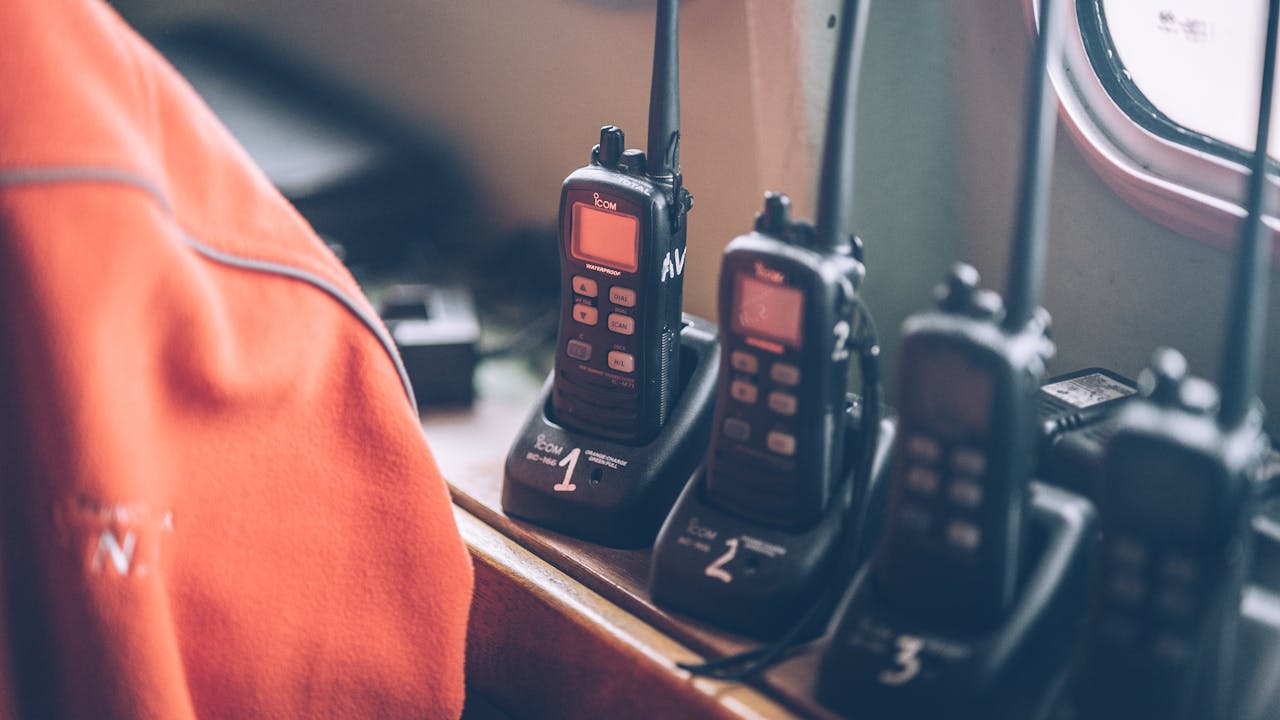
In an increasingly connected world, reliable communication remains paramount, especially in environments where traditional cellular networks may be unreliable or unavailable. Two-way radios, often referred to as walkie-talkies or transceivers, provide instant, direct communication that is essential for a wide range of professional and recreational activities. From coordinating teams in a bustling construction site to ensuring safety on a remote hiking trail, the right communication radio can make all the difference. This article delves into the diverse world of communication radios and accessories, exploring different types, key features, and technological advancements to help you make an informed decision for your specific requirements.
Understanding the various categories of communication radios is the first step in selecting the ideal device. Whether you need a compact portable unit for personal use or a robust mobile system for vehicle integration, the market offers a solution tailored to every scenario. For a comprehensive selection of communication radios and accessories, including top brands like Kenwood, ICOM, and Motorola, consider exploring the offerings at RadioRed. Their expertise in radiocommunication ensures you find reliable equipment for any application.
Types of Communication Radios: A Comprehensive Overview
Communication radios are broadly categorized based on their form factor, power output, and intended use. Each type offers distinct advantages and is designed to excel in particular environments.
Portable Radios (Handheld Transceivers)
Portable radios are perhaps the most common and recognizable type of two-way radio. Designed for mobility, these handheld devices are compact, lightweight, and easy to carry. They are ideal for individuals or small teams who need to communicate on the go within a limited range. Key characteristics include:
•Mobility: Their small size and battery operation make them perfect for use in the field, on foot, or in situations requiring constant movement.
•Versatility: Used across various sectors, including security, retail, hospitality, event management, and personal recreation.
•Power Output: Typically range from 1 to 5 watts, offering communication ranges from a few hundred meters to several kilometers, depending on terrain and obstacles.
•Features: Often include features like multiple channels, voice activation (VOX), scanning, and emergency alerts.
Mobile Radios (Vehicle-Mounted Transceivers)
Mobile radios are designed for installation in vehicles, such as cars, trucks, boats, or aircraft. They offer higher power output and a more robust design compared to portable units, providing extended range and enhanced durability. Their primary features include:
•Higher Power: Typically range from 25 to 100 watts, significantly extending communication range compared to portable radios.
•External Antenna: Utilize external antennas mounted on the vehicle, which improves signal transmission and reception.
•Durability: Built to withstand the vibrations and environmental conditions encountered in mobile applications.
•Applications: Essential for transportation, logistics, emergency services, public safety, and marine operations.
Marine Radios
Specifically designed for use on boats and other watercraft, marine radios are built to withstand harsh marine environments. They are waterproof, corrosion-resistant, and operate on specific VHF (Very High Frequency) marine channels. Key aspects include:
•Waterproofing: Essential for protection against spray, rain, and submersion.
•Distress Features: Often include Digital Selective Calling (DSC) for sending automated distress signals with GPS coordinates.
•Channel Access: Pre-programmed with international marine channels for communication with other vessels, coast guard, and port authorities.
•Power Options: Available in both portable handheld and fixed-mount mobile versions.
Aerial Radios (Aviation Radios)
Aviation radios are critical for communication between aircraft and air traffic control, as well as between aircraft. They operate on specific VHF frequencies allocated for aviation and are designed for clear, reliable voice communication in high-noise environments. Features typically include:
•Clear Audio: Advanced noise-canceling technology to ensure clear communication despite engine noise.
•Frequency Range: Operate within the aviation VHF band (118-136.975 MHz).
•Emergency Frequencies: Dedicated channels for emergency communication.
•Form Factors: Available as handheld portables for backup or ground operations, and fixed-mount units for cockpit installation.
Intrinsically Safe Radios
Intrinsically safe (IS) radios are specially designed for use in hazardous environments where there is a risk of explosion due to flammable gases, vapors, dust, or fibers. These radios are engineered to prevent the generation of sparks or heat that could ignite such substances. Their critical features include:
•Explosion Protection: Certified by regulatory bodies (e.g., ATEX, UL, CSA) to meet strict safety standards for use in hazardous locations.
•Sealed Construction: Often feature robust, sealed housings to prevent ingress of dust and liquids.
•Applications: Indispensable in industries such as oil and gas, mining, chemical manufacturing, and emergency services operating in volatile environments.
PoC Radios (Push-to-Talk Over Cellular)
Push-to-Talk Over Cellular (PoC) radios combine the instant communication of two-way radios with the wide coverage of cellular networks. These devices use 3G, 4G, or Wi-Fi to transmit voice, effectively turning a smartphone-like device into a walkie-talkie with nationwide or even global reach. Benefits include:
•Wide Coverage: Utilizes existing cellular infrastructure, offering communication over vast distances without the need for traditional radio infrastructure.
•Advanced Features: Often include GPS tracking, text messaging, and integration with other applications.
•Cost-Effective: Can be a more economical solution for wide-area communication compared to building and maintaining a private radio network.
Essential Accessories and Infrastructure
Beyond the radios themselves, a range of accessories and infrastructure components are vital for optimizing radiocommunication systems.
Repeaters
Repeaters are crucial devices that extend the range of two-way radio systems. They receive weak signals from radios, amplify them, and retransmit them at a higher power, effectively doubling the communication distance. Repeaters are essential for covering large areas, overcoming obstacles like hills or buildings, and ensuring seamless communication across a wide operational zone.
Antennas
The antenna is a critical component that directly impacts a radio’s range and clarity. Different types of antennas are designed for specific applications:
•Portable Antennas: Compact antennas for handheld radios, often helical or whip designs.
•Mobile Antennas: Larger, more efficient antennas designed for vehicle mounting, such as magnetic mount or permanent mount options.
•Base Station Antennas: High-gain antennas used with repeaters or fixed radio systems to maximize range and coverage.
Batteries and Chargers
Reliable power is fundamental for any portable communication device. High-capacity batteries ensure extended operating times, while multi-unit chargers and rapid chargers keep devices ready for use. Lithium-ion batteries are increasingly popular for their lightweight design and long life.
Audio Accessories
Headsets, earpieces, and speaker microphones enhance usability, especially in noisy environments or when hands-free operation is required. Noise-canceling microphones and comfortable earpieces improve communication clarity and user comfort.
Key Features and Technological Advancements
Modern communication radios are packed with features that enhance their functionality, safety, and user experience.
Digital vs. Analog
•Analog Radios: Traditional radios that transmit voice as a continuous waveform. They are simple, reliable, and generally more affordable. However, they can be susceptible to interference and offer limited features.
•Digital Radios (DMR, P25, NXDN): Transmit voice as digital data, offering superior audio quality, better range, and enhanced features like encryption, text messaging, and multiple talk groups on a single channel. Digital radios are more efficient with spectrum usage and provide clearer communication in fringe areas.
Durability and Environmental Ratings
Many professional-grade radios are built to withstand harsh conditions. Look for ratings such as:
•MIL-STD-810: A series of military standards for environmental engineering considerations and laboratory tests, indicating ruggedness against shock, vibration, temperature extremes, and more.
•IP Ratings (Ingress Protection): Indicates a device’s resistance to dust and water. For example, IP67 means the radio is dust-tight and can withstand immersion in water up to 1 meter for 30 minutes.
Advanced Features
•GPS Tracking: Allows for real-time location monitoring of users, crucial for safety and coordination.
•Encryption: Secures communications, preventing eavesdropping, vital for sensitive operations.
•Man Down/Lone Worker: Automatic alerts triggered if a user falls or remains inactive for a set period, enhancing worker safety.
•Voice Annunciation: Provides audible feedback on channel changes or battery status, allowing users to operate the radio without looking at the display.
•Dual Watch/Scan: Allows monitoring of multiple channels simultaneously or scanning through programmed channels to catch activity.
Choosing the Right Radio for Your Application
The selection of a communication radio should be guided by the specific needs of your application:
•For Construction and Industrial Sites: Rugged, high-power portable radios with MIL-STD-810 and high IP ratings are essential. Intrinsically safe models are critical in environments with flammable materials.
•For Public Safety and Emergency Services: Digital radios with encryption, GPS, and emergency features are paramount for secure and coordinated operations. Mobile radios in vehicles provide extended range.
•For Marine Use: Waterproof marine VHF radios with DSC capabilities are a must for safety and communication on the water.
•For Aviation: Certified aerial radios are required for pilots and ground crew to communicate with air traffic control and each other.
•For Retail and Hospitality: Compact, user-friendly portable radios with good battery life facilitate efficient team coordination.
•For Logistics and Transportation: Mobile radios in vehicles and PoC radios for wide-area coverage ensure seamless communication across routes.
Finding Your Ideal Communication Solution
Selecting the appropriate communication radio system involves evaluating your operational environment, desired range, required features, and budget. Partnering with a specialized provider ensures access to a wide range of products from leading brands and expert advice tailored to your needs. A reputable supplier will offer not only the latest deals and technological advancements but also comprehensive support and service.
For businesses and individuals in Mexico seeking high-quality communication radios and accessories, radiored.com.mx stands as a leading online store. They provide a diverse inventory from top brands like Kenwood, ICOM, and Motorola, catering to various applications from portable and mobile to marine and intrinsically safe radios, along with essential repeaters and accessories. Their commitment to offering cutting-edge solutions ensures reliable and efficient communication for any challenge.
Conclusion
Communication radios are indispensable tools that bridge distances and connect teams, ensuring safety, efficiency, and coordination across countless industries and activities. The continuous evolution of radiocommunication technology, from robust analog systems to advanced digital and PoC solutions, offers an unprecedented array of choices. By understanding the different types of radios, their key features, and the critical role of accessories and infrastructure, users can confidently select the perfect communication solution. Investing in the right equipment from a trusted provider is an investment in reliable connectivity, empowering individuals and organizations to communicate effectively, no matter the challenge or environment.
